
Why Parents in Bali Use Babysitters During Scholarship Season
Foreign families in Indonesia often struggle to find reliable childcare support. Hiring through unverified social media groups usually leads to inconsistent safety standards and poor communication during high-stress situations.
This lack of structured training causes deep anxiety when leaving children home. Without verified skills, a simple afternoon near the pool can become dangerous if the caregiver cannot identify risks.
Parents need more than just casual supervision for their young children. They require helpers who understand developmental milestones and safety management to ensure a peaceful, organized, and secure household.
Professional standards show that adding new skills significantly improves the quality of daily care. Reviewing Indonesian health guidelines highlights how modular upskilling protects children and supports healthy growth.
Investing in specialized training provides the professional foundation needed for premium service. Our agency selects caregivers who complete targeted modules in pediatric safety, hygiene, and professional etiquette for expats.
Table of Contents
Elevating Childcare Quality Through Education
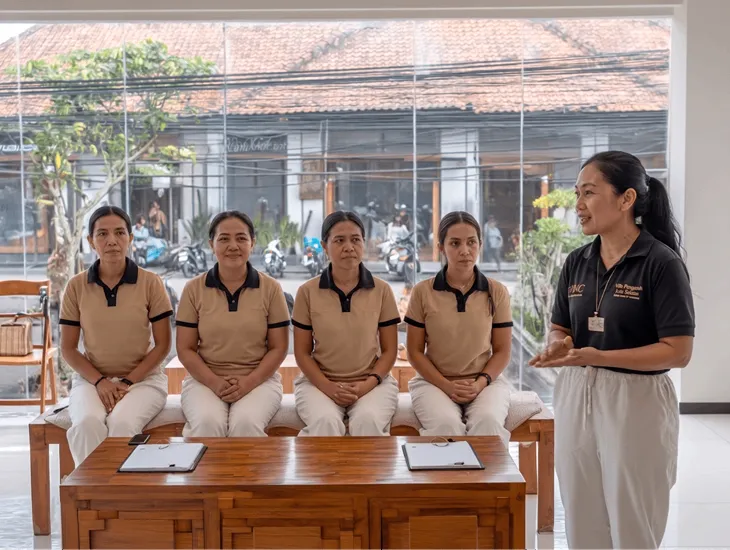
While there are many babysitters in Bali, few have access to standardized professional certification. Formal centers now offer modular classes to help these professionals improve their skills.
Even small amounts of extra training lead to better emotional support for children. These classes turn simple supervision into intentional care that respects your unique family routines.
Families who hire trained staff notice better punctuality and clear professional boundaries. This structure makes every interaction with your child safe, organized, and educational.
Upskilling also helps caregivers understand the cultural expectations of international families. This knowledge reduces friction and ensures your household runs smoothly while you focus on business.
Professional caregivers learn to observe behavioral cues more effectively during their training. They can identify when a child is tired or overstimulated before a meltdown occurs.
This proactive approach creates a much calmer environment for the entire family group. Expert education is the best way to turn ad-hoc help into a reliable partnership.
Education also covers the importance of maintaining a clean and sanitized play environment. Caregivers learn to prevent the spread of common tropical illnesses through strict hygiene protocols.
Modules in Short Courses for Nannies in Bali
Training programs cover essential child development basics for all ages and stages. Caregivers learn to identify emotional needs in infants and school-age children during these focused sessions.
Modules for infants focus on safe bottle preparation and hygienic diapering techniques. Caregivers also learn soothing techniques for teething to help parents manage difficult nights effectively.
These training sessions prioritize health and hygiene protocols to keep children safe. Professionals learn equipment sanitization and handwashing routines to prevent common infections in a villa.
Toddler care modules emphasize the importance of setting gentle but firm boundaries. Caregivers learn how to manage tantrums and encourage independence through age-appropriate choices and play.
Nutrition modules teach caregivers how to prepare balanced meals for growing children. They learn to identify hidden sugars and prioritize protein and fiber for steady energy.
Safety assessments for different villa layouts are also a core part of the curriculum. Caregivers learn to identify hazards like loose rugs, steep stairs, and open water features.
Practical modules in Short Courses for Nannies in Bali ensure every caregiver is ready. They enter your home with the tools needed to manage a busy household schedule.

Ensuring Safety with Pediatric First Aid
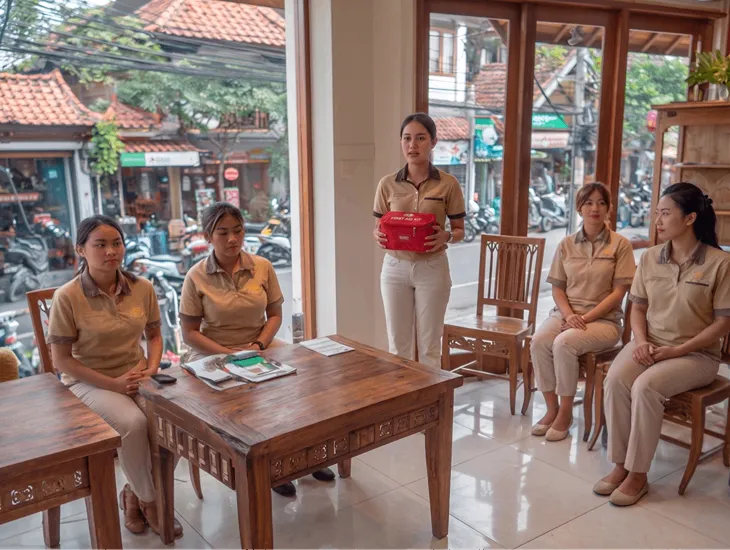
Pediatric CPR and first aid are the most important parts of childcare training. Caregivers must know how to respond to choking or minor injuries with absolute confidence.
A professional caregiver in Indonesia provides a critical safety buffer for families. They are trained to assess risks in villas with unfenced pools or open balconies.
Road awareness is another vital topic for those taking children on outdoor outings. Proactive risk management protects your kids from environmental hazards while you enjoy your holiday.
Training includes identifying the signs of dehydration and heatstroke in a tropical climate. Caregivers learn how to keep children cool and hydrated during long afternoon play sessions.
Emergency response modules teach caregivers how to contact local medical services quickly. They learn the necessary Indonesian phrases to explain an emergency to a doctor or hospital.
First aid kits are reviewed so caregivers know how to use every item correctly. They learn to treat scrapes, insect bites, and minor burns with sterile techniques.
Having a caregiver who remains calm during an emergency is invaluable for parents. This specialized training ensures your child is always in the safest possible hands.
Professional Communication and Daily Reporting
Training emphasizes clear communication between the caregiver and the parents at all times. Skilled sitters use messaging apps to provide real-time updates and detailed daily reports.
Language modules help local caregivers master English phrases specifically for childcare needs. This reduces confusion regarding medication dosages, nap schedules, or food allergies in the household.
Professionalism training also covers the importance of respecting family privacy and boundaries. The babysitter in Bali becomes a seamless extension of your home rather than a disruption.
Caregivers learn to document every meal, nap, and activity in a structured daily log. This transparency allows parents to track their child’s progress and routine with total clarity.
Effective communication includes discussing any behavioral issues with parents in a respectful way. Caregivers learn to provide objective feedback without shaming or blaming the child.
WhatsApp updates often include photos of the child engaged in safe and educational activities. This visual confirmation provides immense peace of mind for parents working off-site.
Reporting also covers any household needs, such as finishing nappies or specific food items. This foresight ensures your home stays stocked with all the essential supplies.
Implementing Structured Age-Appropriate Activities
Upskilling empowers caregivers to plan schedules that balance active play and quiet learning. Instead of passive screen time, trained sitters lead sensory play and local Balinese crafts.
Supervised water play is always managed with strict safety depth limits and constant attention. Caregivers know how to prevent heat exhaustion and overstimulation in the intense tropical sun.
For older kids, a babysitter in Indonesia can support reading or supervised outdoor exploration. Intentional engagement keeps children active while you focus on your specific business goals.
Training includes learning new games that support fine and gross motor skill development. Caregivers use simple household items to create engaging and low-cost educational activities for kids.
Storytelling modules teach caregivers how to engage children’s imaginations through expressive reading. This builds early literacy skills and fosters a love for learning from a young age.
Cultural activities introduce children to Balinese music, dance, and traditional art in a fun way. These experiences enrich your child’s stay and provide unique holiday memories.
Pacing activities is essential to prevent overtiredness and late-afternoon meltdowns in young kids. Caregivers learn to alternate high-energy games with quiet time to maintain a balanced mood.
Real Story: Navigating Villa Safety Hurdles
Meet Kim Minji, a 38-year-old professional from South Korea living in Pererenan. She initially struggled with the layout of her open-plan villa and its unfenced pool area.
Her toddler was active, and Minji constantly worried about accidents while she worked. The local helper she found had no experience assessing environmental hazards or pool risks.
She urgently required a vetted professional who understood the risks of Short Courses for Babysitter in Bali modules. We matched her with Putu, who had completed a safety course.
Putu immediately identified the danger zones and established a secure play space for the child. She managed the toddler’s movements near the pool with a firm, gentle routine.
The transition allowed Minji to finish her design projects in the quiet study area. She felt relieved seeing her daughter engaged in safe play rather than wandering off.
Minji used our platform to bridge the gap between her needs and Putu’s skills. This support was exactly what she needed to focus on her professional deadlines.
Reliable childcare restored peace to her villa and allowed her to enjoy her Bali lifestyle. Expert assistance completely eliminated her overwhelming daily stress and safety concerns.
Screening and Vetting Standards in Indonesia
Reliable agencies maintain high standards by pre-screening all potential candidates before hiring. This process involves verifying past employment references and assessing experience with active toddlers.
Vetting ensures that every babysitter in Bali has the right temperament for international families. Agencies often run paid trials to ensure the caregiver fits your family dynamics.
While local regulation is evolving, agency-driven standards provide the most security for expats. Choosing a vetted professional removes the risks of hiring unverified individuals from social media.
Criminal background checks are a mandatory part of our professional screening process for all staff. We ensure every caregiver has a clean record and a history of trustworthy behavior.
Health examinations are conducted regularly to ensure all caregivers are fit for active work. This protects your family from the risk of communicable illnesses in the home.
Interviews focus on problem-solving skills and the ability to handle high-pressure situations calmly. We only select candidates who demonstrate a deep commitment to professional childcare standards.
Transparency is our core value when presenting a candidate’s qualifications to a family. You receive a full profile including training certificates, experience history, and verified parent reviews.
The Financial Value of Trained Childcare Support
Hiring a trained professional is a small investment with a huge impact on harmony. Proper support reduces the mental load for parents during their entire Bali stay.
Trained caregivers require less management, which helps digital nomads and busy investors work. They manage hydration and sun protection without needing constant reminders from you.
Premium childcare protects your holiday investment by preventing common accidents and injuries. A professional caregiver in Indonesia is an essential partner for any successful family trip.
Consistent routines lead to better child behavior and better sleep for everyone involved. This stability allows parents to rest and recharge during their valuable time off.
Caregivers also help manage the household logistics of laundry and basic meal prep. This saves parents hours of chores every week, allowing more time for family bonding.
The cost of a trained professional is slightly higher but offers much better value. You avoid the hidden costs of stress, accidents, and unreliable ad-hoc help.
Investing in your child’s safety and happiness is always the smartest financial decision. Quality childcare ensures your Bali experience is productive, relaxing, and completely memorable.
FAQ about Childcare Training
Q: What do these short courses teach?
A: They cover first aid, CPR, development stages, hygiene, and professional communication skills.
Q: How do I know if a babysitter is trained?
A: Ask for specific certifications or hire through an agency that requires modular training.
Q: Are these skills globally recognized?
A: Yes, modules like pediatric CPR follow international best practices for child safety.
Q: Do courses include English training?
A: Many programs include basic English for childcare to help sitters give clear updates.
Q: Can one caregiver manage multiple kids?
A: Training includes managing multi-child dynamics and ensuring safety for different ages.
Q: Why pay more for a trained sitter?
A: Rates are slightly higher but offer significantly more security and professional quality.

