
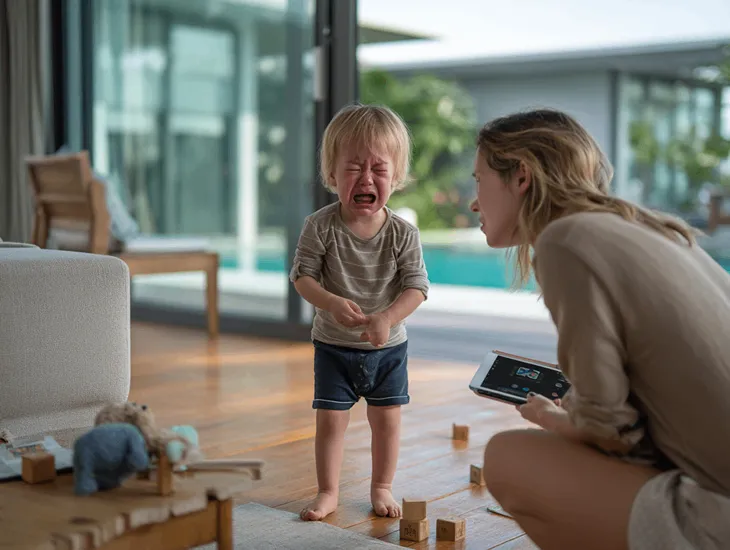

Handling Toddler Tantrums: Calm Ways That Actually Work
Raising children while working remotely brings challenges. Expatriate parents struggle to manage emotional outbursts. The daily pressure to perform professionally is heavy.
Unpredictable screaming disrupts your household schedule. Young children lack vocabulary to express feelings clearly. This gap makes Handling Toddler Tantrums incredibly difficult during inconvenient times.
Managing crying children during a client meeting is stressful. You feel helpless when soothing methods fail. Professional momentum halts while chaos escalates.
Giving in to demands creates a difficult cycle. Children learn that protests yield rewards. This inconsistency damages development and increases exhaustion.
Consistent responses and clear limits are essential. The Indonesian Ministry of Health advises predictable routines. Structured guidelines prevent frustrations from escalating.
Mastering the exact methods for managing tantrums restores peace. A professional Babysitter in Bali implements these strategies flawlessly. You can finally focus on work.
Table of Contents
Understanding the Causes of Early Childhood Outbursts
Medical sources describe outbursts as normal developmental behavior. Young children have big emotions but limited self-regulation skills. They cannot always communicate their immediate physical or emotional needs.
Typical triggers include fatigue, hunger, or overstimulation. Sudden limits to a desired object also provoke intense frustration. Identifying these triggers is the first step toward effective prevention in your home.
Managing tantrums is a critical skill for parents. A trained Babysitter in Bali understands that crying is expected behavior. They respond within the same calm framework you use.
Consistent responses over time reduce both the intensity and frequency of outbursts. Children learn that screaming does not change established boundaries. This consistency builds emotional resilience for their future.
Parents must remember that these episodes are not intentional manipulation. The child is simply overwhelmed by their internal environment. Approaching the situation with empathy makes resolution much faster.
Proven Steps for Handling Toddler Tantrums Calmly
Remaining calm and using a neutral tone helps de-escalate the situation quickly. Adults must model proper emotional control for the child. Yelling only increases the anxiety and volume of everyone.
Offer physical reassurance if the child accepts it. Providing a quiet corner until the crying stops is highly effective. You should only discuss the issue once the child is regulated.
Distraction is an excellent first-line tactic for Handling Toddler Tantrums. A skilled Babysitter in Bali will redirect the child to a new book or activity. This shifts their focus away from frustration.
Giving in to demands teaches the child that screaming works perfectly. The original limit must stand once you have spoken it. This firm boundary is crucial for maintaining authority and respect.
Using time-outs is an option but requires careful limitation. Overusing this method reduces its overall effectiveness significantly. Physical punishment is explicitly discouraged because it worsens aggressive behavior in children.
Parents must practice immense patience during these intense episodes. Breathing deeply helps you maintain your own emotional regulation. Your steady presence provides the ultimate comfort for a distressed child.

Implementing Predictable Daily Routines for Prevention
Predictable routines for sleep and meals drastically reduce daily stress. Many emotional explosions are directly linked to extreme tiredness or sudden hunger. Keeping a strict schedule is a powerful preventative measure.
Giving young children limited choices helps them feel a sense of control. Asking them to choose between two acceptable shirts prevents power struggles. This strategy empowers them while maintaining your authority.
Positive attention builds better future regulation and cooperation. Praising a child when they manage frustration successfully is vital. Acknowledging their effort reinforces the exact behavior you want to see repeated.
Effective methods for Handling Toddler Tantrums rely heavily on environmental preparation. A professional Babysitter in Bali keeps to your specific nap and meal schedule perfectly. This proactive approach actively reduces daily friction.
Managing the environment is also a key component of prevention. Keeping highly stimulating toys out of sight before bedtime promotes calm behavior. A peaceful environment directly supports emotional stability in children.
Transitions are historically difficult for toddlers to manage alone. Giving verbal warnings five minutes before leaving the park helps them adjust. This simple communication prevents sudden resistance and crying in Indonesia.
Safety Protocols During Intense Emotional Episodes
Safety is the highest priority during any intense emotional episode. Children may throw themselves down onto the floor suddenly. You must quickly move them away from hard edges and sharp objects.
Guidelines emphasize that hitting caregivers or siblings is never allowed. If the child becomes physically aggressive, you must hold them securely. This physical boundary prevents them from causing immediate harm.
Shaming language is highly discouraged by pediatric psychology sources. Calling a child bad increases their internal aggression and anxiety. It does not teach them how to regulate their intense feelings properly.
Your Babysitter in Bali will ensure the immediate area is safe first. They focus entirely on technical safety before attempting any verbal redirection. This prioritization prevents accidental injuries during a chaotic moment.
If a child thrashes violently, clearing the room is often the safest option. Removing an audience can sometimes help the child calm down faster. Privacy allows them to process their feelings without added pressure.
Parents must communicate these safety protocols clearly to any external caregivers. Everyone in the household must follow the exact same physical boundaries. This unified approach protects the child completely.
Real Story: Restoring Peace in an Uluwatu Villa
Sweat dripped onto the keyboard as the afternoon humidity settled heavily in Uluwatu. David scrambled to finish a complex legal contract. His three-year-old son, Leo, screamed loudly beside the desk.
Leo desperately wanted to play with a restricted glass decoration. The screeching sound echoed over the noise of passing motorbikes outside. David felt immense stress as his professional deadline approached rapidly.
He had hired a professional Babysitter in Bali through our service yesterday. Ayu walked into the living room and quickly assessed the chaotic situation. She carried a small plate of fresh rambutan fruit.
Ayu gently guided Leo away from the fragile glass without speaking. She sat on the floor and offered him the sweet local fruit. Her completely neutral demeanor absorbed his intense, frantic energy immediately.
Within ten minutes, Leo was quietly eating and looking at a picture book. David exhaled deeply and finalized his legal document in silence. The reliable support allowed him to finish his crucial workday successfully.
This expert assistance transformed a stressful hurdle into a successful family afternoon. David no longer worries about sudden business deadlines. Professional care ensures his children thrive while he builds his career in Indonesia.
Recognizing When to Seek Professional Medical Advice
Parents should consult a pediatrician if outbursts involve intentional self-harm. Breath-holding spells that lead to fainting also require immediate medical evaluation. These extreme symptoms fall outside standard developmental behavior patterns.
Clinicians flag concern if the episodes are extremely frequent or unusually long. Outbursts that significantly interfere with daily life require closer professional observation. Early intervention is critical for addressing underlying behavioral disorders.
Worsening behavior after age four is another major red flag for parents. Children should develop better coping mechanisms as their language skills improve. A lack of progress warrants a professional assessment in Indonesia.
The World Health Organization provides extensive resources on healthy child development. A highly experienced Babysitter in Bali can provide valuable daily observations. Their objective feedback helps parents make informed medical decisions locally.
General pediatric recommendations apply regardless of your geographical location. However, specific clinical thresholds for behavioral issues in Indonesia may vary slightly. Always consult with a licensed doctor for accurate diagnostic information.
Documenting the frequency and triggers of the outbursts is highly beneficial. Providing this written data to a doctor accelerates the diagnostic process. This preparation ensures your child receives the best possible care.
Screening a Babysitter in Bali for Disciplinary Alignment
Sourcing childcare through reputable agencies guarantees a higher standard of service. These organizations pre-screen candidates for their experience with young children. You avoid the risks associated with hiring through informal contacts.
During an interview, ask how they typically manage a screaming child. Listen carefully for answers involving safety, calm redirection, and strict boundary maintenance. These responses match the best clinical recommendations perfectly.
A trial session is incredibly important before finalizing a long-term booking. Observe their tone and body language when your child protests a limit. Consistency during these moments is a true indicator of professional skill.
Resort and villa services typically market highly experienced caregivers for foreign families. A top-tier Babysitter in Bali executes Handling Toddler Tantrums without losing their composure. They adapt to your specific household rules seamlessly.
Proper vetting ensures that your parenting philosophy remains consistent when you are away. Discussing discipline openly prevents future misunderstandings. Clear expectations create a successful working relationship from the very beginning.
Parents should request references that specifically mention behavioral management skills. Previous employers can verify if the candidate handled difficult moments professionally. This background check provides ultimate peace of mind in Indonesia.
Overcoming Cultural Differences in Child Behavior Expectations
Cultural expectations around obedience and emotional expression differ globally. Some local caregivers might view intense crying simply as spoiled behavior. Understanding these cultural nuances is essential for expatriate parents.
Many international parents follow gentle discipline models in their households. These models stress emotional validation alongside firm but very kind limits. Aligning these expectations requires clear and direct communication.
Parents must explicitly state their discipline rules from day one. Explain clearly that yelling and physical punishment are strictly forbidden. Clarify exactly how to use a time-out safely and appropriately.
A professional Babysitter in Bali adapts to your specific cultural preferences easily. They respect your guidelines while applying their extensive practical experience. This combination provides the best possible care for your children.
Open dialogue builds mutual respect between the parents and the caregiver. Encouraging questions ensures the caregiver feels confident enforcing your household rules. A unified approach provides maximum stability for the child.
Providing written instructions regarding Handling Toddler Tantrums is highly recommended. This document serves as a helpful reference point for the caregiver during stressful moments. Clarity eliminates confusion and ensures continuous alignment in Bali.
FAQs about Handling Toddler Tantrums
Q: What triggers most emotional outbursts in young children?
A: Fatigue, hunger, overstimulation, and sudden limits are the primary triggers for young children.
Q: How should a caregiver react to a screaming child?
A: They must remain calm, use a neutral tone, and ensure the child is physically safe.
Q: Should we give in to stop the crying quickly?
A: No, giving in teaches children that screaming yields rewards and worsens future behavior.
Q: Can a Babysitter in Bali manage challenging behavior safely?
A: Yes, our vetted caregivers use evidence-based strategies to de-escalate frustrated children safely.
Q: When is medical advice necessary for child behavior?
A: Consult a doctor if outbursts involve self-harm, breath-holding, or worsen after age four.

