
Review Us
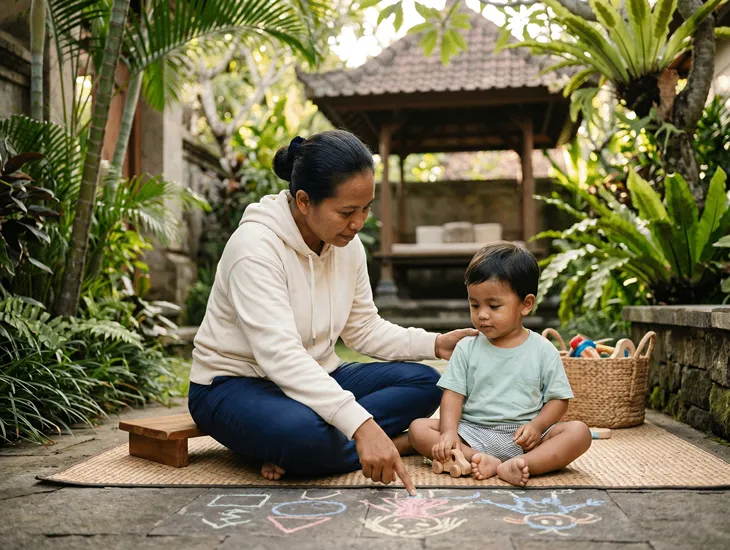
Raising Good Humans in Bali 2026 – Caregiver in Indonesia guiding a calm toddler safely today
author-2

Raising Good Humans in Bali: Breaking the Cycle of Reactive Parenting

Expat families in Indonesia face immense stress. Traffic and complex visas exhaust parents quickly. This exhaustion easily leads to harsh behavior toward young children during difficult afternoons.

Raising good humans requires intense daily patience. Parental stress triggers sudden punishments unnecessarily. These reactive habits damage trust between busy parents and their growing children.

Chronic harsh responses create childhood anxiety over time. Children copy these emotional outbursts constantly. Shouting teaches fear instead of basic respect and empathy.

Relying on unpredictable childcare worsens this cycle significantly. Exhausted parents lack energy for gentle discipline. This creates a stressful home environment for everyone.

Breaking this cycle requires immediate professional support. The Indonesian Ministry of Health emphasizes community support for child development. A structured environment reduces daily friction.

A vetted caregiver provides vital daily stability. They enforce gentle discipline while you rest. Their calm presence actively supports Raising Good Humans in Bali effectively.

Understanding Reactive Habits in Indonesia

Parenting in Indonesia involves unique cultural dynamics. Local traditions emphasize constant physical closeness and community support. This high-contact approach differs vastly from egalitarian expatriate styles.

Foreign parents juggle staff management and frequent cultural misunderstandings. These modern stressors drain parental patience quickly, causing overwhelmed adults to resort to immediate threats when managing daily logistics.

Parents often lean heavily on a Babysitter in Bali for logistical help. Inconsistent communication causes everyone to react poorly. Unclear expectations lead to immense frustration for the entire household.

Recognizing these daily stressors is the first vital step. You must replace reflex reactions with highly intentional responses. A calm approach prevents lasting psychological damage.

If you ignore your own exhaustion, it becomes much harder to break the cycle of reactive parenting. Prioritize your mental health to lead your family effectively.

Consistent emotional regulation models excellent behavior for children. They learn to manage their own frustration by watching you closely. A balanced parent raises a balanced child.

Recharging your own emotional batteries is essential. You cannot pour from an empty cup when managing toddlers. Seeking help is a sign of parental strength.

Recognizing Typical Reactive Patterns

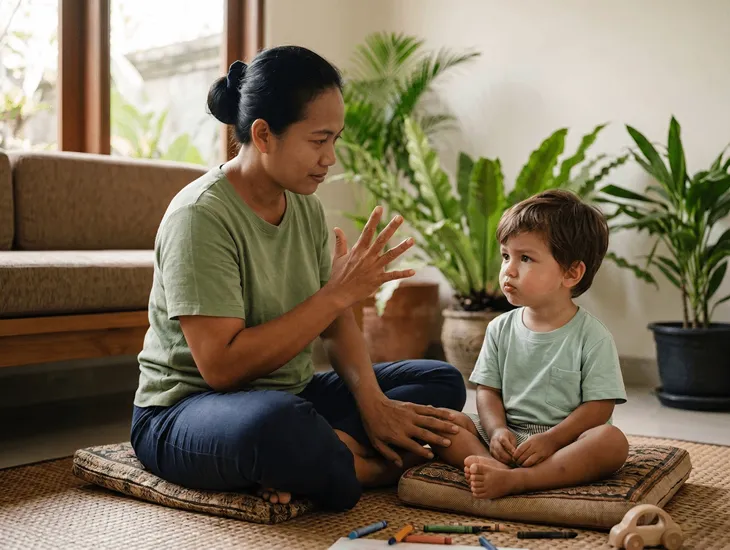
Gentle Discipline in Indonesia 2026 – Caregiver in Bali helping a frustrated child breathe slowly

Reactive patterns usually involve yelling or harsh words. Parents sometimes withdraw affection suddenly after minor misbehavior. These actions are often followed by deep parental regret.

Inconsistent discipline confuses young children entirely. Rules change depending on the parent’s current mood or energy level. Punishments become severe simply because the adult feels tired.

These unpredictable responses increase childhood anxiety significantly. Children lose trust in their primary caregivers over time. Chronic harshness causes severe behavioral problems during early development.

Because children constantly observe behavior, they watch how you treat local staff. Shouting at a driver teaches children disrespect directly. You must manage your emotions to teach proper social behavior.

Guiding your children demands consistent emotional regulation. Acknowledging your reactive habits prevents further harm. You must build a secure and predictable environment for your family.

Breaking this cycle requires admitting your parenting mistakes openly. Children respect parents who apologize for losing their temper. Honesty builds stronger emotional connections within the family.

Recognizing the physical signs of your own anger helps prevent outbursts. A clenched jaw or shallow breathing signals the need for a pause. Self-awareness stops the cycle immediately.

Principles of Calm and Intentional Care

Gentle discipline requires an intentional pause before reacting. You must step away or count before responding. This prevents rage from dictating your disciplinary actions.

Ask yourself what your current goal is. You should aim to teach and protect rather than punish. This mindset shift creates a much healthier household dynamic.

Establish clear rules and logical consequences beforehand. You can implement strict rules regarding pool safety locally. A misused toy simply goes away without unnecessary shouting.

Emotion coaching replaces harmful shaming techniques effectively. Name the child’s feelings and validate them. Guide their behavior by explaining why hitting hurts others.

Avoid using language that attacks their core identity. Calling a child dramatic damages their fragile self-esteem. Address the specific behavior instead of insulting their character.

Repairing the relationship after a bad reaction is crucial. Apologizing models true humility and emotional intelligence. Reconnection teaches children that nobody is perfect.

Consistency in your gentle approach yields the best long-term results. Children feel safest when they know exactly how their parents will respond. This predictability eliminates their underlying behavioral anxiety.

The Role of a Caregiver in Indonesia

A professional caregiver forms a vital part of your support system. A reliable Babysitter in Indonesia handles routines predictably. This structure keeps children calm throughout the day.

Strict screening ensures caregivers understand gentle discipline. Professional agencies require first-aid certification and police checks. They test attitude and communication skills thoroughly before placement.

Predictable support removes the need for emergency parenting. You will not face daily evening blow-ups after work. Knowing your child is safe reduces your stress massively.

Caregivers use the exact same simple rules you use. They reinforce your structure without ever hitting. This consistency actively supports Raising Good Humans in Bali every day.

Parents must explicitly support their caregiver’s authority. Backing their decisions improves child behavior drastically. Children learn to respect adults when parents display total unity.

Treating your caregiver respectfully models good behavior. Fair pay and clear boundaries teach kids essential values. They learn that adult power never justifies harshness toward others.

Open communication with your caregiver is essential. Weekly check-ins allow you to discuss new behavioral challenges safely. This teamwork ensures your child receives optimal support.

Real Story: Finding Calm in Canggu

The heavy wooden door slammed shut as Mark sank onto the hallway floor, burying his face in his hands. He had just yelled at his five-year-old son over a spilled drink.

His chest felt tight with immediate guilt and exhaustion. Managing a new business in Canggu drained his patience daily, leaving him reactive and short-tempered during crucial evening routines.

Mark hated the fear he saw in his son’s eyes. He realized his mounting stress was damaging their bond, and he desperately needed to change his approach to discipline.

Knowing he could not fix this cycle alone while working long hours, Mark searched for support. He needed someone who understood gentle parenting to anchor the household afternoons.

He connected with a childcare professional trained in emotional regulation. The new caregiver brought a calming energy, guiding his son through meltdowns with deep breathing instead of loud threats.

Seeing this patient modeling helped Mark pause before reacting himself. The evening tension faded, and consistent professional care transformed their daily lives.

His son blossomed under the consistent, gentle boundaries. The decision to seek professional help saved their relationship.

Addressing Local Cultural Misunderstandings

Cultural Respect in Indonesia 2026 – Expat family in Bali interacting calmly with their local staff

Balinese caregiving traditions involve holding infants almost constantly. Local caregivers soothe crying children incredibly fast. This high-contact norm contrasts sharply with Western sleep-training methods.

Foreign parents sometimes expect strict Western routines. Mismatched expectations easily trigger severe parental frustration. Criticizing the caregiver reactively damages the working relationship quickly.

Local family structures are highly hierarchical and polite. Staff may avoid confronting an angry parent directly. They might agree to unclear instructions just to save face.

This lack of communication leads to inconsistent discipline. Children become confused by the differing standards. You must establish clear and calm communication channels immediately.

Top schools in Indonesia enforce strict child-safeguarding policies. They explicitly ban physical punishment and emotional abuse. You must mirror these high safety standards at home.

A trained childcare provider understands these dual expectations. They balance local warmth with agreed disciplinary plans. This harmony prevents cultural clashes from affecting your child.

Educating yourself on local customs bridges the cultural divide. Respecting traditional practices builds immense trust with your domestic staff. Mutual respect fosters a positive childcare environment.

Building a Calm Household Safely

A gentle household requires a proactive design. Creating a calm environment starts with defining three clear rules together. Consistent consequences reduce the need for reactive improvisation.

Train your caregiver to use specific emotion-coaching phrases. Provide them with a clear plan for daily tantrums. This preparation ensures they handle difficult moments confidently.

This process involves aligning your entire household. Everyone must follow the exact same disciplinary approach. Predictability creates a deep sense of security for children.

Reward your child for demonstrating positive social behaviors. Praise them when they share toys with their peers. Positive reinforcement works much faster than constant harsh criticism.

Schedule regular meetings with your childcare provider. Discuss any recurring behavioral issues calmly and professionally. Working as a team prevents isolated and reactive disciplinary measures.

Visual charts help children understand their daily expectations. Displaying the rules clearly reinforces the household structure. Children feel empowered when they know exactly what is expected.

Practicing Raising Good Humans in Bali requires daily dedication from parents. Forgive yourself for occasional mistakes while striving for progress. Your effort shapes their emotional future.

Protecting Caregivers and Children Together

Fair working conditions protect both caregivers and children. Provide clear hours and guaranteed time off. Respecting their time prevents dangerous caregiver burnout.

Burnout directly increases the chance of harsh handling. Exhausted staff cannot maintain gentle discipline properly. Protect their well-being to ensure your child’s safety.

Professional agencies screen candidates for emotional intelligence. They evaluate patience and communication skills thoroughly. This ensures your child receives high-quality and calm care daily.

A vetted local caregiver will follow your family values. They reinforce your rules regarding kindness and respect continuously. Your child learns compassion through steady daily modeling.

This professional support helps busy parents stay highly consistent. You can focus on your remote work without worry. Your household becomes a haven of structured peace.

Investing in quality care transforms your entire family dynamic. You break the cycle of reactive anger completely. A supportive environment allows your child to flourish beautifully.

A calm caregiver acts as a secondary emotional anchor. They provide reassurance when you are physically absent. This approach guarantees a healthier upbringing for your children.

FAQs about Raising Good Humans in Bali​

Q: What causes reactive parenting in expatriate families? 

A: High stress from visas, work, and cultural misunderstandings triggers sudden harsh reactions toward children.

Q: How can I stop shouting at my toddler? 

A: Pause and breathe before responding. Focus on teaching and guiding rather than punishing them.

Q: Why is consistent discipline important for children? 

A: Consistency builds trust and deep emotional security. Unpredictable rules cause severe anxiety over time.

Q: How does a caregiver help with discipline? 

A: A trained caregiver enforces rules calmly. Predictable routines prevent tantrums and reduce stress.

Q: Can cultural differences cause parenting conflicts? 

A: Yes. Local high-contact norms can clash with strict Western routines without clear communication.

Need help with Raising Good Humans in Bali, Chat with our team on WhatsApp now!