
Baby Diapering Guide in Bali: Everything New Parents Need to Know
Managing infant hygiene in Indonesia is hard for expat parents. Unfamiliar brands and intense weather complicate basic daily routines. You struggle to find the products you trust from your home country.
The constant heat and humidity create a breeding ground for skin irritations. Trapped moisture leads to severe rashes. This causes immense discomfort for your child. You want to protect their delicate skin properly.
Navigating limited public facilities compounds these daily frustrations significantly. Finding a clean changing table in local restaurants or attractions is often surprisingly difficult for parents. You feel restricted in your travel plans.
The physical exhaustion of parenting in the heat drains your energy. You worry about your child’s skin health constantly. This stress impacts your entire trip. You need a reliable plan to manage hygiene.
Professional caregivers understand these environmental challenges perfectly. They follow Indonesian Ministry of Health standards to keep babies healthy. They maintain high standards of safety and care while following expert hygiene protocols.
Our comprehensive Baby Diapering Guide in Bali prepares you for tropical parenting. Learn what supplies to bring and establish safe routines with expert professional assistance. You can enjoy your stay without hygiene worries.
Table of Contents
Local Sources for Infant Hygiene Supplies
You can find basic disposable supplies at local convenience stores. Circle K locations stock small packs of MamyPoko for daytime use. These shops are available in most tourist areas and residential neighborhoods.
Larger supermarkets in Sanur or Nusa Dua offer broader selections. You will find local Indonesian brands. International Pampers are rarely stocked in these stores. You should plan your shopping trips in advance.
Imported brands like Huggies are available at premium price tags. Many expatriate parents reserve these products for longer overnight sleep periods. This helps manage the higher cost of imported goods in the region.
Quality differences between local and Western brands are often noticeable. Local options frequently lack advanced anti-leakage tabs. This results in messy saturation accidents. You must check the diaper fit frequently during use.
Finding specialized swim diapers locally is incredibly difficult. Most local pharmacies do not carry them in stock regularly. You should not expect to find them in small convenience stores along the beach.
Grand Lucky and Pepito are excellent supermarkets for baby supplies. They stock a wide range of imported creams and fragrance-free wipes. These stores cater specifically to the needs of the expatriate community in Indonesia.
Local department stores in Denpasar also have dedicated sections. These shops offer bulk pricing for families staying long-term. Buying in bulk reduces your weekly expenses on essential hygiene products for your infant.
Always check the expiration dates on imported creams carefully. Tropical heat can sometimes degrade packaging during shipping. Ensure the seals are intact before you apply products to your child’s sensitive skin.
Managing Diapering Challenges in Tropical Heat
The intense tropical heat causes infants to sweat heavily. This trapped moisture rapidly creates an ideal environment for painful yeast infections. High humidity levels prevent natural skin drying. You must be proactive with hygiene.
You must increase your changing frequency significantly here. In tropical climates, replace the absorbent material every two hours regardless of fullness. This prevents sweat from irritating the skin. Regular checks keep your child comfortable.
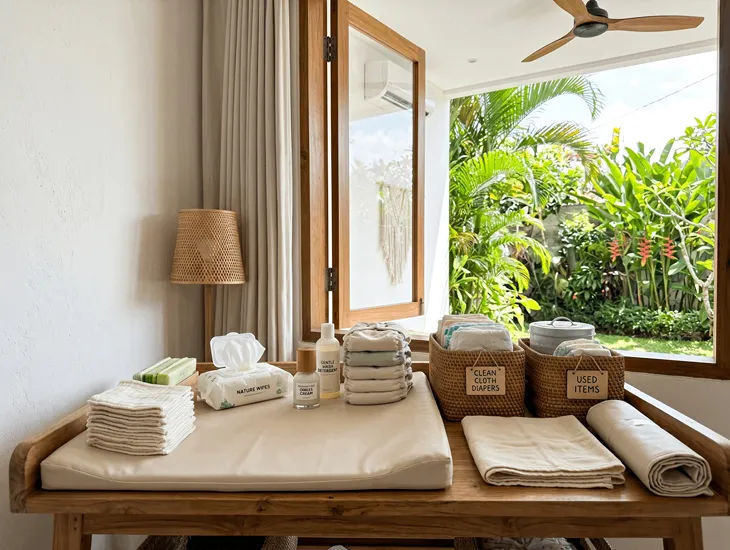
Opt for highly breathable and hypoallergenic materials whenever possible. Cloth options allow better air circulation. However, they require a rigorous washing routine. Use a mild detergent to avoid further skin irritation for your baby.
Incorporate daily diaper-free time to let sensitive skin breathe. Letting them rest on a waterproof mat for twenty minutes works wonders. Do this in a cool, shaded area. This practice reduces the risk of rashes.
Dress your infant in loose and lightweight cotton clothing. Avoiding tight elastic bands prevents uncomfortable friction. This reduces trapped heat. Choose light colors to keep the body cool in the bright Indonesian sun.
High humidity slows the evaporation of sweat and urine. This creates a wet environment that weakens the natural skin barrier. Frequent changes are necessary to keep the skin healthy. Monitor the area for any redness.
The air in Indonesia is often saturated with moisture. This makes traditional drying methods less effective. You cannot rely on air drying alone. Use a soft towel to pat the skin dry after each cleaning.
Using a small portable fan helps dry the skin. Ensure the area is completely dry before securing the fresh absorbent layer. This extra step provides comfort and prevents moisture from being trapped against the body.
Proper Diaper Changing Technique Step-by-Step
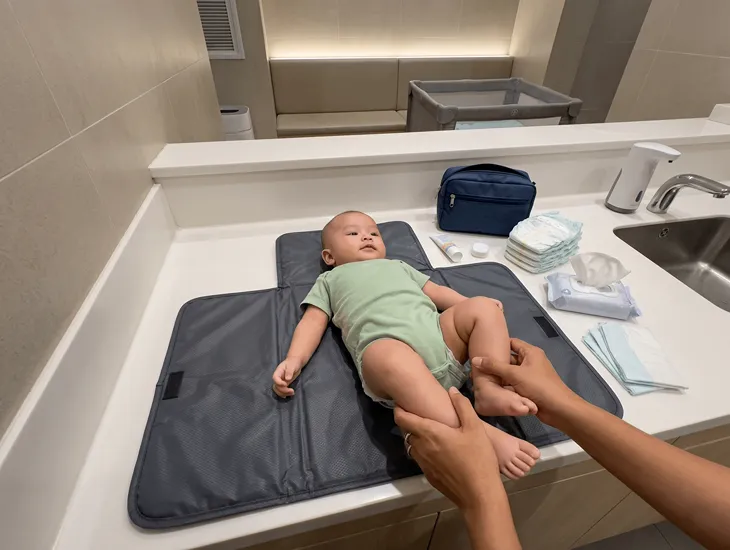
Preparation is the first vital step in hygiene. Gather your fresh supplies and wipes before you start the process. This prevents you from leaving your infant alone on a surface. Organised spaces improve safety.
Always position the infant securely on a flat surface. You must keep one hand physically on them at all times. This prevents sudden and dangerous rolling accidents. Safety is the priority during every single change.
Clean the genital area gently using fragrance-free wipes. You must always wipe from front to back to prevent infections. This rule is vital for female infants to maintain urinary tract health in the heat.
Slide the fresh absorbent layer under their bottom carefully. Apply a thin layer of zinc oxide barrier cream using tissue. This prevents contaminating the main cream container with bacteria. Hygiene is essential for prevention.
Fasten the tabs securely across the colorful belt line. Ensure the fit is snug but comfortable for your child. You should easily slide two fingers between the waistband and stomach. Check for comfort regularly.
Check the skin folds around the legs for redness. These areas trap moisture and are prone to sudden heat rashes. Clean these folds thoroughly with every change. Dry the skin completely to avoid irritation.
Dispose of all soiled materials in lidded bins. This keeps your living space sanitary. It reduces unpleasant tropical odors in your home. Use small plastic bags to seal waste before you put it away.
Always wash the child’s hands after the change. This prevents them from spreading bacteria after touching their own skin. Maintain your own hand hygiene with soap and water after the process is finished entirely.
Professional Hygiene Standards for Childminders
Top-tier childminding agencies enforce strict hygiene protocols for staff. They require extensive training in Western sanitation standards for maximum safety. This ensures your infant remains completely safe. You can trust the expertise provided.
Caregivers must wash their hands before every single change. This fundamental practice prevents the cross-contamination of dangerous bacteria effectively. It is a mandatory rule for a professional Babysitter in Bali. Cleanliness is non-negotiable.
Professional childminders always dispose of soiled materials in receptacles. They immediately separate soiled clothing into sealed bags for laundry. This maintains a sanitary and clean household environment for your entire family to enjoy.
Disinfecting the changing surface after each use is mandatory. Caregivers spray the entire mat with a safe antibacterial solution daily. This prevents the buildup of germs in the warm and humid tropical environment.
Reputable agencies ensure their staff undergo comprehensive medical screenings. These background health checks guarantee the professionals maintain excellent hygiene. This provides peace of mind for every expatriate family staying in the region.
Training includes recognizing the early signs of fungal infection. Caregivers monitor the skin for bright red spots or blisters. Early detection allows for faster treatment. This reduces the amount of distress your infant feels.
A professional Babysitter in Bali emphasizes tracking usage. They can tell you exactly how many wet diapers occurred. This data is vital for monitoring hydration levels. You receive clear reports every day.
Real Story: Beating Diaper Rash in Uluwatu
When Elena, a digital artist from Spain, first moved to her villa in Uluwatu, she felt the salt air and frangipani scent daily. However, the coastal humidity soon caused a severe health hurdle for her baby.
Her daughter developed bright red blisters that caused constant crying. Elena felt overwhelmed as the local heat made every rash worse. She struggled to find a solution while managing her remote design projects.
The hum of scooters outside matched the frantic pace of her stress. She needed a structured Baby Diapering Guide in Bali to solve this painful issue. That is when she contacted our professional care team for help.
A skilled Babysitter in Bali arrived and immediately improved the hygiene routine. She used a thick zinc oxide paste and mandated diaper-free time on the shaded veranda. The air circulation helped the skin heal.
Within three days, the angry redness vanished entirely. Elena felt immense relief hearing her daughter’s happy giggles again. The professional guidance provided a clear path to managing tropical hygiene without the constant fear of irritation.
Now, Elena works peacefully while her child plays comfortably in cotton clothing. They navigate the Uluwatu heat with confidence and expert support. This transition allowed the whole family to finally enjoy their new Indonesian home.
Navigating Public Changing Facilities in Indonesia
Finding dedicated infant changing tables in local restaurants is rare. Even popular tourist attractions often lack proper and sanitary facilities. You must plan your outings with this challenge in mind. Preparation prevents hygiene emergencies.
Major shopping malls in Kuta and Seminyak provide rooms. Beachwalk and Seminyak Village have excellent facilities for infants. These spaces are air-conditioned. They offer private changing stations for your daily convenience.
You must carry a comprehensive portable hygiene kit everywhere. A waterproof and foldable changing mat is absolutely essential. This allows you to create a clean surface anywhere. You can change your infant safely in any location.
Always pack small plastic bags for disposing of materials. Many public restrooms lack lidded trash bins in Indonesia. You must transport the waste until you find a bin. This keeps public spaces clean and respectful.
When facilities are absent, you must improvise safely. Using the back seat of your car is often best. It is private and clean. Avoid using public floors or benches without a thick waterproof mat.
This Baby Diapering Guide in Bali suggests scouting locations. Check online reviews to see if a cafe has tables. This planning reduces stress during your family outings. You can enjoy your meal without sudden panic.
Upscale beach clubs often provide better amenities for children. Finns and Potato Head have accessible restrooms with stations. These venues are safer choices for long afternoon visits with your young family and infants.
Carrying a small bottle of hand sanitizer is vital. Not all public toilets provide soap or clean running water. Use sanitizer before and after you handle your child. This protects you both from bacteria.
Preventing and Treating Common Skin Irritations
Preventing skin irritation requires constant vigilance in hot environments. You must dry their skin by patting it gently. Never rub the skin. Rubbing causes further irritation and pain. A gentle touch is essential for healing.
Avoid using scented wipes as harsh fragrances irritate skin. Stick to pure water wipes or gentle unscented alternatives. These are safer for cleaning delicate areas in the heat. Check the ingredients list on every product pack.
If a mild red rash appears, increase frequency immediately. Apply a thick layer of petroleum jelly or calendula cream. This creates a strong moisture barrier. It protects the skin from sweat and urine during the day.
Offer relief with a cool oatmeal bath if irritation spreads. Adding oatmeal powder to lukewarm water reduces inflammation. This calms red skin effectively. It is a natural way to soothe your child’s tropical discomfort.
You must consult a local pediatrician if blisters occur. Fungal yeast infections often require specialized prescription antifungal creams. Antibiotic creams can sometimes make a fungal rash worse. Professional medical advice is vital for serious skin issues.
Virgin coconut oil is a popular local skin remedy. It has natural antibacterial properties and stays liquid in Indonesia. Apply a thin layer after the skin is dry. This provides a natural barrier against the humidity.
Aloe vera gel also provides a cooling sensation. Ensure the product is pure and free from added alcohol. This helps soothe heat rash and general irritation. Keep it in the fridge for extra cooling effects.
Consistency is the key to managing sensitive infant skin. Follow these steps daily to maintain a healthy child. Regular care prevents minor irritations from becoming severe problems. Your child will stay happy in the heat.
Essential Supplies to Pack from Home
Bringing your preferred brand of hygiene products is recommended. If your infant has sensitive skin, local alternatives might cause reactions. Test local brands slowly before switching. This prevents a sudden flare-up of skin allergies.
You must pack reusable or disposable swim products before arriving. These specific items are incredibly difficult to source locally. Do not expect to find them in supermarkets. Plan your beach gear before you fly to Indonesia.
This Baby Diapering Guide in Bali recommends a dedicated spatula for creams. This small tool prevents bacteria from contaminating the main tub. It keeps your soothing zinc oxide paste clean. Professional hygiene starts with the tools.
Pack plenty of portable disinfecting wipes and hand sanitizer. These items are vital for cleaning public surfaces anywhere. Use them when you cannot access soap and running water. Maintain high standards while you are traveling.
Always carry at least two complete changes of clothing. Local products occasionally leak in the intense tropical heat. Backup outfits are essential for comfort. Store them in a waterproof bag inside your main diaper kit.
A portable fan is a great addition to your bag. Use it to dry skin during changes at the beach. This prevents moisture from being trapped. It is a simple tool with massive benefits for skin health.
Specific barrier creams like Sudocrem are hard to find. Bringing a large supply from home saves money and stress. These products are often much more expensive in local specialty shops. Stock up before you leave.
Do not forget to pack a high-quality thermometer. Monitoring your baby’s internal temperature is vital in the hot climate. Fever and heat stroke require immediate attention. Stay informed about your child’s physical state at all times.
FAQs about Baby Diapering Guide in Bali
Q: Can I buy Western brands easily?
A: Most stores carry local brands, but imported items are rare outside major hubs.
Q: How often should I change diapers?
A: We recommend every two hours to prevent moisture buildup and heat rash.
Q: Are public changing stations available?
A: You will find them in large malls but rarely in smaller local cafes.
Q: What is the best rash prevention?
A: Use zinc oxide creams and ensure the skin is perfectly dry before diapering.
Q: Should I bring swim nappies?
A: Yes, these are very difficult to find in local pharmacies or supermarkets.

