
Review Us
Diarrhea in Children 2026 – Tropical bugs and Bali belly risks, dehydration danger in young kids, WHO‑aligned early action, and babysitter support during doctor visits
author

How Should Diarrhea in Children Be Treated in Bali

Childhood illness abroad causes extreme anxiety for visiting parents. The tropical environment introduces unfamiliar bugs. Understanding local health risks ensures you remain calm during sudden medical situations.

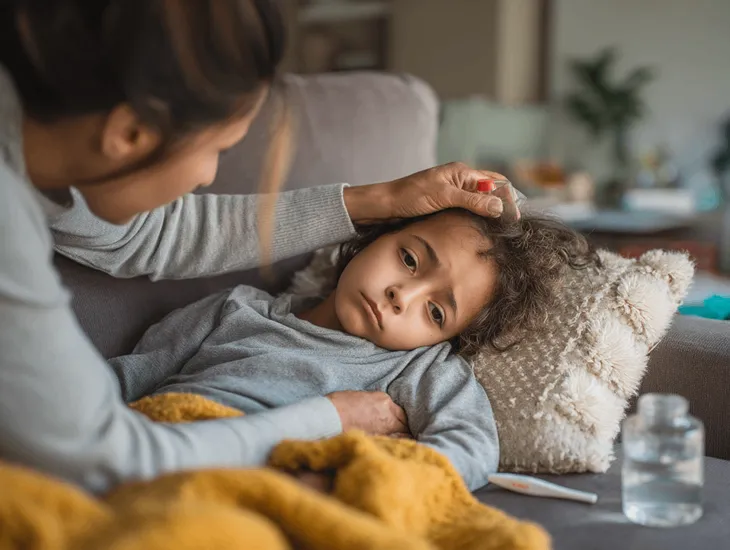
Traveller’s diarrhea hits young visitors hard. It usually arises from unfiltered water or poorly prepared food. The heat accelerates the physical toll of this illness.

Parents naturally panic when symptoms appear. Rapid fluid loss is an immediate concern. Managing multiple siblings while caring for a sick toddler feels completely overwhelming.

Review World Health Organization guidelines for guidance. Recognizing early warning signs prevents complications. Immediate, structured action remains absolutely vital.

Hiring a professional Babysitter in Bali offers a practical solution. A trained caregiver assists with monitoring. This allows parents to consult local doctors without any distraction.

Treating Diarrhea in Children requires teamwork. Caregivers administer fluids while parents handle decisions. Families navigate stressful illnesses smoothly with professional childcare support.

Common Causes and Tropical Risks

Visiting the tropics exposes young immune systems to new pathogens. E. coli is a frequent culprit here. Viruses like rotavirus also spread easily through public tourist areas.

The most dangerous complication of childhood diarrhea is rapid dehydration. Bali’s humid climate accelerates fluid loss significantly. Parents must watch for dry mouths, lethargy, and reduced urination.

Contaminated water sources are a primary trigger. Even small amounts of tap water during tooth brushing can cause problems. Undercooked food or raw salads pose severe risks.

Poor hand hygiene also contributes to rapid transmission. Children naturally touch surfaces and then their mouths. Consistent hand washing prevents many stomach infections during your vacation.

Local pediatric clinics see these cases constantly. They understand exactly how to treat stomach bugs effectively. Understanding these causes helps families prevent future outbreaks during their stay.

First-Line Treatment: Prioritizing Safe Rehydration

Diarrhea in Children 2026 – Oralit salts, slow frequent sips, correct packet mixing, and low‑sugar supportive fluids like broth and coconut water

Oral rehydration salts are the best way to treat this. Pharmacies sell this locally as Oralit. It replaces vital electrolytes lost during frequent and severe bowel movements.

Administering these salts correctly requires extreme patience. Caregivers must offer small sips every ten minutes. Giving large volumes of liquid too quickly often triggers sudden vomiting episodes.

Commercial packets are highly preferred over homemade solutions. Studies show many parents mix salt and sugar incorrectly. Proper scientific ratios are crucial for effective absorption in the gut.

Clear broths and coconut water serve as excellent supplementary fluids. However, you must avoid sugary juices entirely. High sugar content draws more water into the bowel and worsens symptoms.

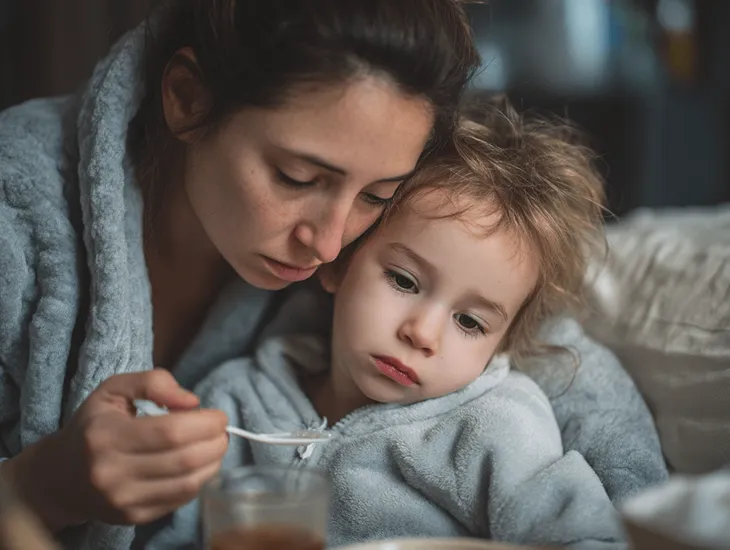
A local caregiver can help manage this tedious hydration schedule. They sit patiently with the child and offer sips continually. This ensures your child receives adequate fluids while you rest.

Managing Safe Food and Feeding Routines

Many parents mistakenly withhold food when stomach issues begin. Pediatric guidelines strongly advise continuing age-appropriate feeding. Maintaining nutritional intake actually speeds up the overall recovery process significantly.

Breastfeeding should continue on demand without any interruption. For older kids, offer easily digestible and bland options. Plain rice, boiled potatoes, toast, and applesauce are excellent choices.

You must avoid greasy, spicy, or dairy-heavy foods. These items irritate an already sensitive and inflamed digestive tract. A Babysitter in Bali understands how to prepare these specific meals.

Caregivers monitor exactly how much food is consumed. They offer small portions to avoid overwhelming the stomach. Documenting this intake helps doctors assess the overall severity of the condition.

Consistency in feeding prevents drastic energy crashes. It helps maintain blood sugar levels during the illness. Professional support ensures the child eats safely while parents manage other crucial tasks.

Understanding Medications and Zinc Supplements

Indonesian pediatric protocols strongly recommend zinc supplementation. Zinc helps repair the damaged intestinal lining quickly. It reduces the duration and severity of the current diarrheal episode effectively.

However, parents must never improvise specific zinc dosages. A qualified doctor must prescribe the correct amount. Your caregiver will only administer supplements exactly as the doctor directed.

Adult anti-diarrheal medications are dangerous for kids. They slow the gut and trap harmful bacteria inside. Never give these drugs to children unless explicitly ordered by a pediatrician.

Antibiotics are rarely needed for simple stomach bugs. They are only prescribed for specific bacterial or parasitic infections. A doctor must evaluate stool samples before recommending any antibiotic treatment.

Your caregiver acts as a reliable compliance partner. They ensure prescribed medications are taken exactly on schedule. They never diagnose or alter the treatment plan without your explicit medical authorization.

Real Story: Recognizing Red Flags for Urgent Clinic Visits

Sometimes home care is simply not enough for Diarrhea in Children. Parents must recognize when professional medical intervention becomes urgent. Moderate to severe dehydration requires immediate assessment at a proper clinic.

Meet Yuha, a 37-year-old designer from South Korea. When she arrived in Canggu, her toddler developed severe stomach cramps. The relentless heat worsened her daughter’s condition rapidly.

Yuha noticed clear red flags immediately. Her daughter had a dry mouth and produced no tears when crying. She knew she had to rush her to the nearest medical center.

However, Yuha also had a healthy five-year-old son to manage. Dragging both kids to a crowded clinic felt impossible. That is when she booked a Babysitter in Bali for support.

The caregiver arrived quickly and entertained her son at the villa. Yuha rushed her daughter to the clinic for essential IV fluids. She felt completely relieved knowing her son was safe.

Professional childcare handles the logistics during medical emergencies. Parents can focus entirely on the sick child. A Babysitter in Bali provides crucial stability when urgent hospital visits are necessary.

Overcoming Common Home-Care Mistakes

Common Diarrhea Mistakes in Kids 2026 – Stopping food too early, using adult meds in panic, and swapping proper rehydration salts for sugary drinks

Many parents make critical errors during the initial panic of illness. Stopping feeds entirely leads to poor nutrition and slower recovery. Continuing bland meals is vital for healing the gut.

Giving adult medications to children causes severe complications. Parents often resort to these drugs out of sheer desperation. You must rely solely on pediatric advice for any pharmaceutical intervention.

Relying on sugary sports drinks instead of proper oral rehydration salts is another common mistake. Excess sugar can make diarrhea much worse. Always stick to medically approved electrolyte solutions.

Mixing homemade salt and sugar solutions often results in incorrect ratios. This imbalance can cause further dehydration. Purchasing commercial packets guarantees the correct electrolyte balance for safe recovery.

A properly trained Babysitter in Bali avoids these dangerous missteps completely. They follow doctor instructions strictly. Your childcare professional ensures the home-care plan remains safe and medically sound.

How a Caregiver Supports the Treatment Plan

Managing Diarrhea in Children requires specific and verifiable professional experience. We demand a minimum of three years of childcare background. Every candidate must provide multiple verified references before joining our team..

They record the exact amount of fluids consumed hourly. They note the frequency of wet nappies and bowel movements. This precise information proves invaluable during a medical consultation.

A Babysitter in Bali implements the care plan flawlessly. They offer tiny sips of fluids while parents handle insurance calls. They prepare the approved bland foods exactly as advised.

Hygiene management is critical to prevent spreading the bug. Caregivers handle the safe cleanup of accidents promptly. They maintain strict handwashing protocols to protect the rest of the family.

This dedicated support allows parents to rest and recharge. You cannot make sound medical decisions when exhausted. Professional childcare provides the essential space needed to manage the illness effectively.

Screening Standards for Medical-Literate Childcare

Handling sick children requires specific and verifiable professional experience. We demand a minimum of three years of childcare background. Every candidate must provide multiple verified references before joining our team.

Our strict vetting process includes comprehensive background checks. We prioritize caregivers who have previously worked with expat families. You receive a highly competent and deeply trusted professional in your home.

Internal training covers essential hygiene and sanitation protocols. Our caregivers know exactly how to handle cleanup safely. They understand when to escalate specific health concerns to the parents immediately.

While they cannot diagnose, they are highly medically literate. Many of our team members hold basic first-aid certifications. This knowledge ensures they remain calm and efficient during stressful medical situations.

A Babysitter in Bali operates strictly under your explicit direction. They never administer unapproved medications or home remedies. Their role is to execute your doctor’s plan safely and consistently.

FAQs about Diarrhea in Children

Q: What is the most important treatment for stomach bugs? 

A: Manage Diarrhea in Children with safe rehydration. Oral salts prevent dangerous fluid loss.

Q: Should I stop feeding my child if they are sick? 

A: No, continue feeding bland options like rice and toast. Nutrition speeds up the healing process.

Q: Can I give my child adult anti-diarrheal medicine? 

A: Never use adult medications on kids unless directed by a pediatrician to avoid trapping bacteria.

Q: When should I take my child to a local clinic? 

A: Seek help immediately if you notice sunken eyes, no tears, persistent vomiting, or bloody stools.

Q: How does a caregiver help during this illness? 

A: A Babysitter in Bali administers fluids, prepares specific foods, and tracks symptoms accurately.

Need a caring babysitter to look after your sick child at home? Chat with our team on WhatsApp now!