


Review Us
Sleep for growth in Bali 2026 – Predictable nighttime habits, humidity management, and rest strategies for expat children
author

Improve sleep for growth with night routines for kids in Bali

Raising children in a tropical environment often disrupts normal nighttime habits. Many parents struggle to establish a consistent schedule when living abroad.

The intense humidity and exciting island lifestyle can make children restless. This leads to frequent night awakenings and difficulty falling asleep.

Without adequate rest, a child’s overall physical and cognitive development suffers. Chronic fatigue leads to daytime irritability, poor focus, and frequent tantrums.

Parents often feel weary, dealing with constant resistance and long negotiations. The lack of a structured evening approach ruins the peaceful family atmosphere.

Child health guidelines in Indonesia suggest that structured rest is vital. A consistent routine is essential to support deep sleep for growth.

Implementing a calming schedule helps kids settle quickly despite the heat. Better sleep for growth ensures your child thrives physically and emotionally.

Why Consistent Night Routines Matter for Kids

Studies worldwide show that children with regular schedules fall asleep faster. They experience fewer interruptions during the night, leading to longer, continuous rest.

Deep, uninterrupted rest directly triggers essential hormone release in growing bodies. This biological process highlights why proper sleep for growth is crucial.

Families who follow a routine consistently see better daytime behavior outcomes. Children wake up feeling refreshed and are generally more cooperative and focused.

Starting these habits early builds a strong foundation for future wellness. Predictability gives kids a sense of security, making the transition to bed easier.

Core Elements of a Calming Routine in Bali

Calming Night Routines 2026 – Establishing fixed bedtimes, quiet activities, and predictable schedules for children

Maintain a fixed lights-out and wake-up time every single day. Consistency, even on weekends, helps stabilize your child’s internal body clock.

Use three or four predictable, quiet steps over thirty minutes. A quick shower, putting on pajamas, and brushing teeth signal bedtime is near.

Include a quiet story or a short cuddle in your evening routine. This peaceful transition helps lower their heart rate and prepares them for rest.

A brief chat about the day helps clear their busy minds. These simple, repeatable steps naturally support healthy sleep for growth.
Adapting Bedrooms to the Tropical Climate

The tropical heat and high humidity often disrupt a child’s comfort. Make the bedroom cool, dark, and quiet to encourage deep rest.

Use a fan or air-conditioning to offset the heavy evening humidity. A comfortable room temperature makes it much easier for kids to fall asleep.

Dress children in light, breathable cotton pajamas to prevent excessive sweating. Comfortable clothing is vital to support uninterrupted sleep for growth at night.

Use window screens or a high-quality mosquito net for protection. Preventing itchy bites ensures that their rest remains completely undisturbed.

Managing Screen Time and Digital Stimulation

Avoid screens for at least sixty minutes before the scheduled bedtime. Blue light from tablets delays the natural release of melatonin.

Exciting digital content makes it much harder for kids to wind down. Strict screen limits are necessary to protect their delicate sleep cycles.

Swap late-evening tablet time for low-energy play or reading books. Calm drawing or gentle stretching keeps their physical and mental arousal very low.

These quiet activities prepare the brain for deep, restorative rest phases. Managing stimulation is a key factor in promoting healthy sleep for growth.

Real Story: Restoring Calm in Canggu

Thomas stood in the humid darkness of his Canggu villa, listening to his daughter’s third tantrum. It was nearly midnight, and the air was thick.

He had moved from Canada for a better life, but every evening had become a battle. He felt drained and questioned the entire move.

He used bali-nanny.com to find a professional caregiver for evening support. The nanny helped create a calm transition with a cooling bath.

Tasting fresh papaya during a quiet story time finally helped her relax. This new routine restored the peaceful evenings they both desperately needed.

Nutrition Adjustments for Better Rest

Child Nutrition for Sleep 2026 – Offering light dinners, healthy snacks, and avoiding sugary foods before bedtime

Offer a light, early dinner to allow proper digestion before bed. Heavy, spicy, or sugary foods close to bedtime often cause physical discomfort.

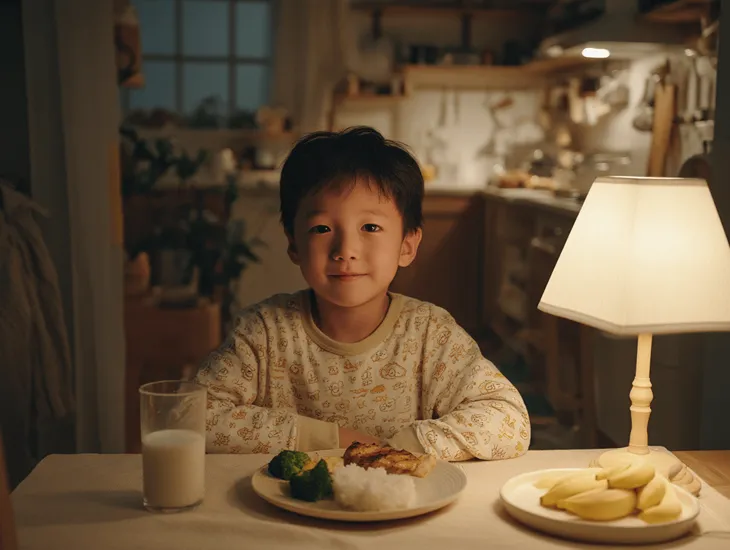
If needed, provide a small snack like milk or a banana. These tryptophan-rich options naturally help the body relax and prepare for rest.

Avoid giving children caffeinated beverages like cola or tea late in the day. These hidden stimulants severely disrupt the ability to fall asleep quickly.

Smart nutrition choices directly impact the quality of nighttime rest. Proper digestion ensures the body can focus entirely on vital sleep for growth.

Emotional Comfort for Anxious Minds

Children often become overstimulated by busy island days or frequent travel. Cultural ceremonies and new environments can increase their daily anxiety levels.

Add extra cuddle time if your child seems stressed or anxious. Deep breathing exercises together help calm their racing nervous system effectively.

A short “what went well today” check-in shifts their focus positively. It provides closure to the day and encourages a peaceful mindset.

Addressing emotional needs ensures that children feel safe and entirely secure. This comfort is essential to support deep, restorative sleep for growth.

Professional Support for Expat Families in Bali

Establishing a new routine in a foreign country can be overwhelming. Professional caregivers offer valuable support for busy remote workers and expats.

A trained nanny understands how to manage the local climate challenges. They can firmly enforce your chosen screen limits and evening schedules.

Consistent caregiving ensures that your child receives the same signals nightly. This teamwork provides the stability needed for long-term health and wellness.

Investing in professional help reduces stress for the entire family unit. It guarantees your child receives the necessary support for proper nighttime rest.

FAQs about sleep for growth​

Q: How much rest does a toddler need? 

A: Most toddlers require between eleven and fourteen hours of total rest daily.

Q: Can the heat stunt their development? 

A: Heat causes poor rest, which can negatively impact overall physical development.

Q: Should we use air conditioning all night? 

A: Yes, keeping a moderate, cool temperature supports better, continuous rest.

Q: How do we handle late naps? 

A: Keep afternoon naps short and early to avoid pushing the main bedtime late.

Q: Can a nanny help establish these habits? 

A: Yes, a professional nanny can consistently enforce a healthy evening schedule.

Need help with sleep for growth, Chat with our team on WhatsApp now!