

Practice gentle parenting for calmer family life in Bali
Moving families to tropical regions often brings unexpected stress. Parents struggle with discipline while adjusting to new environments. This conflict creates distance between children and their busy caregivers.
Constant yelling or harsh punishments rarely solve underlying issues. Instead, these methods damage trust and lead to daily battles. Daily life can feel overwhelming under the pressure of intense heat.
A lack of healthy boundaries can slow a child’s social development. It prevents them from learning how to regulate their intense emotions. This results in a disconnected and superficial family experience.
Living in a paradise should not be this exhausting. Parents often feel completely drained by the end of the day. The dream of a relaxed life quickly fades into frustration.
Child development research in Indonesia suggests that early emotional stimulation is vital. Adopting a gentle parenting approach provides the security children need to succeed in school.
Integrating empathy with firm limits transforms your daily family dynamic. This method fosters a calm base where children thrive. It creates a peaceful and respectful environment for every household member.
Table of Contents
Defining the Pillars of Empathy
Understanding gentle parenting begins with recognizing four core pillars. These are empathy, respect, understanding needs, and firm boundaries. It is a balanced style that prioritizes deep connection over control.
This approach is not permissive where children do anything. Instead, it involves setting clear rules without using harsh punishments. Empathy allows you to see the struggle behind your child’s behavior.
Respect means treating your child as an individual with valid feelings. Understanding the need behind a tantrum helps you address the root cause. This prevents recurring issues and fosters long-term cooperation.
Firm but kind boundaries provide the safety kids need. Logical consequences replace threats or hitting in a kind household. This framework supports a healthy lifestyle for all families in Indonesia.
Using the Island Rhythm to Stay Calm in Bali
Expat parents often report feeling calmer due to the island’s slower pace. There is more outdoor time and fewer back-to-back obligations daily. This extra space makes it easier to breathe.
Lean into this by building slow anchors into your daily schedule. Enjoy an unhurried breakfast or a short park stop after school. This reduces the pressure that leads to outbursts.
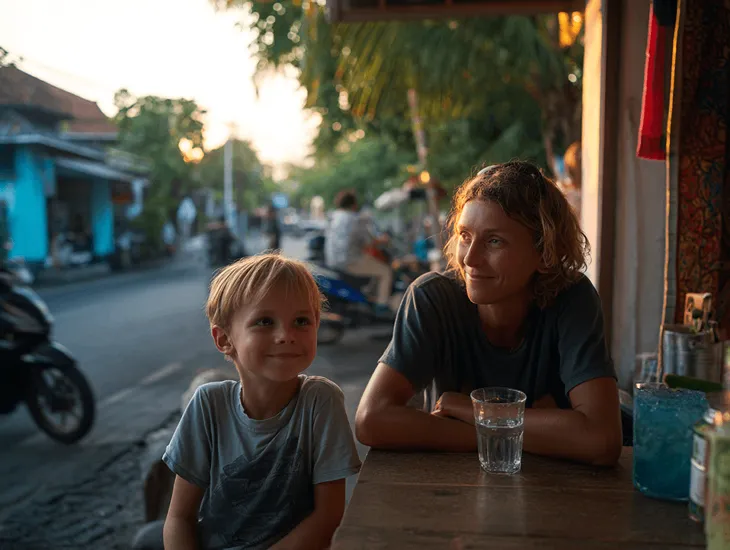
If a child melts down, pause at a local warung for water. Regulate your own breathing before attempting to talk. This calm response is a hallmark of success for any parent.
Avoiding last-minute errands prevents unnecessary stress for everyone. A relaxed schedule allows for more meaningful connection points. It ensures that family life remains peaceful despite the busy environment.

Naming and Validating Feelings Daily
Naming feelings helps children understand their internal emotional world. You might say, “You feel angry because your toy was taken.” This validation makes the child feel heard and understood.
Validating a feeling does not mean accepting the bad behavior. You can be empathetic while still being firm about the rules. This balance is the core of the gentle parenting approach.
Naming emotions reduces the intensity of a child’s internal struggle. It gives them the vocabulary needed to express themselves without acting out. This habit builds a foundation for strong emotional intelligence.
Consistency in naming feelings helps children learn self-regulation over time. They begin to recognize their own triggers and respond more calmly. It is a powerful tool for a peaceful home.
Setting Clear and Calm Logical Limits
Short and specific rules work better than long lectures for kids. Instead of yelling, state the limit clearly and calmly every time. This helps children understand exactly what is expected.
For example, explain that running is for grass, not the pool. If they run, they must sit out until they are ready. This logical consequence teaches responsibility without using fear.
Avoid using empty threats like leaving them behind at a cafe. These statements create anxiety and damage the trust between parent and child. Stick to consequences that relate to the action.
Clear limits are essential during the transition to tropical environments. They help children feel secure in their environment. Logical limits ensure that choices have predictable and safe results.
Real Story: Finding Peace in Sanur
Ingrid sat at her desk in Sanur, trying to focus, but the air was already heavy with heat and noise. Suddenly, a motorbike horn blasted right outside her window.
This sharp sound cut through the humid afternoon. In the next room, her son let out a scream of pure terror. Ingrid felt her own patience snap during this moment.
Her Finnish background never prepared her for this sensory chaos. She used bali-nanny.com to find a professional caregiver for support. They began using gentle parenting tools to process these fears.
Tasting fresh mango while sitting on the grass helped them both reset. Validating his fear of loud noises changed their dynamic. The shift to a calm routine restored their reality.
Modeling Respect in Bali
Children do not learn respect from lectures alone; they copy you. Speak to your child the way you want them to speak to others. This includes staff, drivers, and nannies.
Using a polite tone and saying “tolong” models the behavior you expect. Avoiding yelling shows them how to handle frustration without aggression. This is a key part of gentle parenting modeling.
When you model respect, your child learns to value every person they meet. This cultural etiquette is essential for living in a diverse community. It builds global citizenship in kids.
Consistently modeling kindness creates a positive social ripple effect. Your child will interact with their teachers and peers with grace. This habit defines a truly respectful and calm family.
Nature as an Emotional Co-regulator
Use the natural environment to reset your family’s emotional state. A quick dip in the ocean or a walk on the sand reduces tension. Nature provides a sensory reset for everyone.
Barefoot walks on the grass help ground both parent and child. This physical connection to the earth can calm a racing nervous system. It makes cooperation much easier during a day.
Create small rituals around island moments to build connection. Sunset gratitude sessions allow everyone to mention three fun things. This fosters a mindset of appreciation and peace.
Evening incense and story time provide predictable connection points. These rituals signal that it is time to wind down. Using nature as a tool supports the core gentle parenting goals.
Consistency in Mixed-Culture Settings
Your child will meet adults who scold quickly or over-indulge them. Explain at home that different people have different ways, but family rules remain. This provides a moral compass.
Brief your Nanny in Bali and other staff on your specific approach. Explain that shaming or hitting is never allowed in your household. Offer simple scripts for them to use.
When a clash happens with another adult, focus on your child first. Validate their feelings and re-state your family rule calmly. Align with the other adult later once regulated.
Consistency across all caregivers ensures your child feels safe and secure. It prevents confusion about boundaries and expectations. This teamwork is essential for a successful and calm family life.
FAQs about gentle parenting
Q: Is it permissive?
A: No, it involves firm boundaries and logical consequences for actions.
Q: How to stay calm?
A: Take deep breaths and remember the child is struggling, not being bad.
Q: Can nannies learn?
A: Yes, professional nannies in Indonesia follow your specific scripts easily.
Q: Does it work for toddlers?
A: Absolutely, naming feelings and setting clear limits is very effective.
Q: What if I lose my temper?
A: Apologize to the child and explain you are learning to stay calm.

