
Review Us
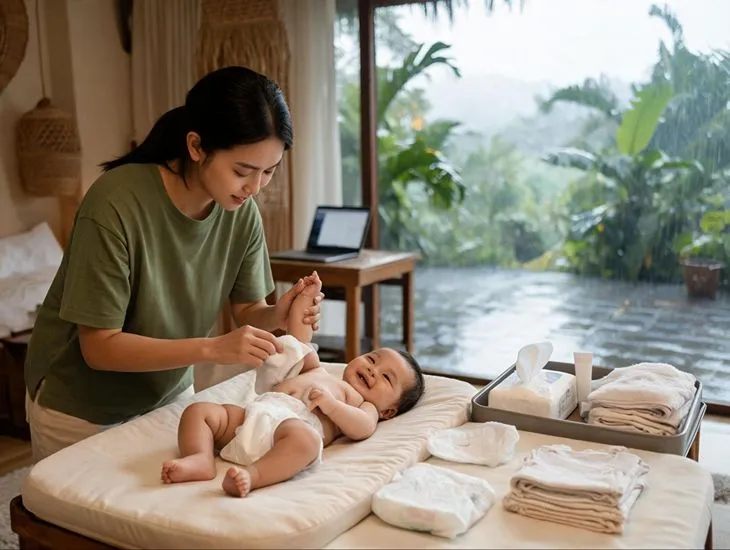
Rainy Season Baby Fungal Infections 2026 – Professional caregiver drying infant skin folds to prevent moisture rash
author

Rainy Season Baby Fungal Infections: How to Protect Delicate Skin

Expatriate families in Indonesia often struggle with intense tropical humidity during the monsoon months. Excessive moisture in the air creates significant challenges for maintaining healthy skin for your growing infant at home.

Dampness trapped in skin folds quickly leads to irritation and discomfort. This persistent wetness often results in rainy season baby fungal infections, which can spread rapidly without proper daily preventative care.

Parents working remotely or managing businesses in Indonesia may find it difficult to monitor every diaper change. Neglecting small patches of redness allows moisture-loving yeasts to colonize delicate areas of the body.

High humidity prevents sweat from evaporating effectively from the skin surface. This creates a fertile breeding ground for microbes in the neck, armpits, and groin of your child every day.

The World Health Organization notes that skin conditions are among the most common health problems globally. Professional support ensures your child stays dry and comfortable throughout the wet season.

Hiring a qualified babysitter in Bali provides professional support for your child’s physical growth. These experts ensure your infant receives the highest standard of care while you focus on your business.

Understanding Tropical Humidity and Fungal Growth

Tropical climates provide the perfect conditions for various fungi to thrive on delicate skin. Warmth combined with high humidity levels creates an environment where yeast and dermatophytes can multiply extremely quickly.

Seasonal rainy season baby fungal infections typically target the most vulnerable areas of an infant. Their skin is thinner and more fragile than adult skin. This makes them highly susceptible to environmental changes.

Moisture becomes trapped in skin folds during long periods of rainfall. Areas like the neck, armpits, and groin rarely receive adequate airflow. This stagnant dampness weakens the skin barrier over time.

Fungi feed on dead skin cells and thrive in dark, wet conditions. Without intervention, a minor irritation can transform into a painful infection. Constant monitoring is necessary to maintain skin integrity.

Experienced caregivers manage these environmental risks through proactive care. They ensure your infant remains in a climate-controlled environment when needed. This attention to detail prevents microbial overgrowth.

Establishing a consistent hygiene routine is the first step in prevention. Qualified assistants must prioritize keeping the skin surface dry. This focus reduces the likelihood of fungal colonization during the humid months.

Identifying Common Fungal Issues in Infants

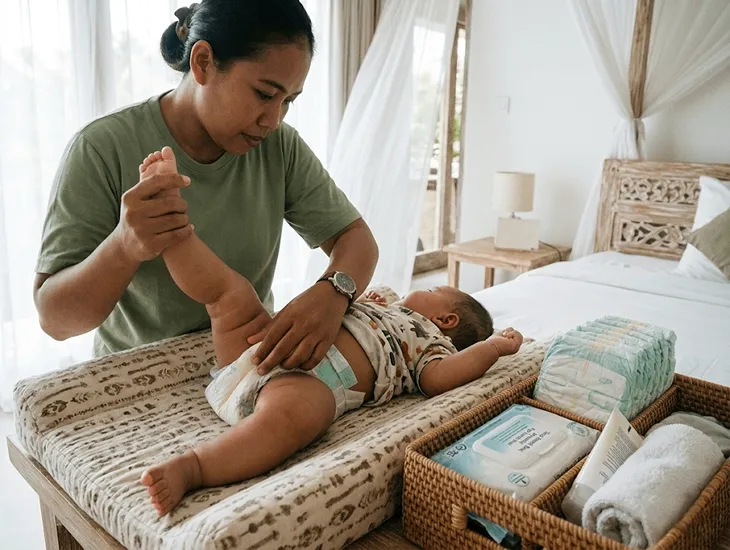
Infant care in Indonesia 2026 – Careful diaper changes and skin checks by a dedicated babysitter

Candida diaper rash is a frequent problem for infants in Indonesia. It presents as bright red patches with sharp edges. You may notice smaller red spots surrounding the main affected area.

This condition occurs when the diaper area remains wet for too long. It is particularly common after a course of antibiotics or frequent stools. The rash is often painful and requires care.

Intertrigo with yeast often develops in deep skin folds. Red, raw, or shiny patches appear in the neck, armpits, or groin. A sour smell sometimes accompanies these specific types of skin irritations.

Drool and milk frequently get trapped in the rolls of the neck. This constant moisture macerates the skin and invites fungal growth. Prompt cleaning after feedings is essential to protect these sensitive zones.

Medical News Today states that ringworm is another contagious fungal issue that spreads through contact. It appears as circular, scaly patches with a clear center. It can move between family members.

An experienced babysitter in Indonesia monitors these areas during every diaper change. They report any changes in skin color or texture to parents immediately. Early detection is vital for successful management.
Prevention Strategies for the Rainy Season

The most effective way to prevent rainy season baby fungal infections is a dry-pat routine. Never rub the skin aggressively with a towel after a bath. Use a soft cloth to dry.

Focus on hidden damp zones during your daily hygiene checks. Pay close attention to the area behind the ears and between the toes. These small spaces often hold moisture for several hours.

Wait for the skin to dry completely before applying a new diaper. Trapping moisture under a clean diaper creates a greenhouse effect. This environment is ideal for the rapid growth of Candida yeast.

Clean any drool or spilled milk from the neck area immediately. Use a clean, dry bib for every feeding session. This simple step prevents the buildup of moisture in the rolls.

Limit the use of thick creams that might trap moisture against the skin. Breathable barriers are often more effective in humid climates. Consult your pediatrician regarding the best products for tropical weather.

A dedicated assistant in Bali implements these prevention steps consistently. They ensure that your infant’s skin remains ventilated and clean. Their vigilance protects your child from the discomfort of seasonal rashes.

Safe Clothing and Laundry Practices in Indonesia

Choosing the right fabrics is crucial for skin health in Indonesia. Use lightweight, breathable cotton for all infant clothing. Synthetic materials trap sweat and heat, which encourages fungal development.

Change out of damp clothes as soon as possible. Rain, sweat, or spit-up can keep fabric moist for long periods. Never allow a baby to sleep in a slightly damp onesie.

Proper laundry habits are essential during the monsoon season. Ensure that all clothes and towels are completely dry before use. Damp fabrics can harbor mold and musty, fungus-friendly conditions.

Sunlight is a natural disinfectant for laundry when it is available. If the rain persists, use a dryer or a room with high airflow. Avoid hanging wet laundry in the nursery.

Rotate the places where your infant lies or plays daily. Musty mattresses or damp play mats should be cleaned and dried thoroughly. This prevents the transfer of environmental fungi to the skin.

Professional childcare providers in Bali help manage these daily household tasks. They spot damp items and swap them for fresh, dry alternatives. This background care is essential for maintaining a healthy home.

Real Story: Healthy Skin in Pererenan

Chloe wiped the sweat from her forehead as she checked her baby’s damp neck folds in their Pererenan villa. The humid afternoon air felt like a heavy blanket over the nursery.

Her infant, Leo, whimpered while she tried to pat away the moisture. The deep rolls of his skin were bright red and carried a sharp, sour smell of trapped milk.

Chloe struggled to balance her urgent marketing deadlines with the constant hygiene Leo required. Every time she sat at her laptop, a new diaper change or feeding interrupted her focus.

She used our agency to find a caregiver experienced in tropical skin health. The assistant arrived and immediately implemented a strict cleaning and drying schedule for Leo’s neck and armpits.

The professional used high-quality cotton cloths and ensured every fold was completely dry before Leo played. She monitored the room temperature and managed the laundry to avoid damp fabrics.

Within a week, the angry redness vanished and Leo’s skin felt soft again. Chloe reclaimed her workday while knowing her son was comfortable. The expert assistance resolved their chronic struggle.

Essential Skin Care Protocols in Bali

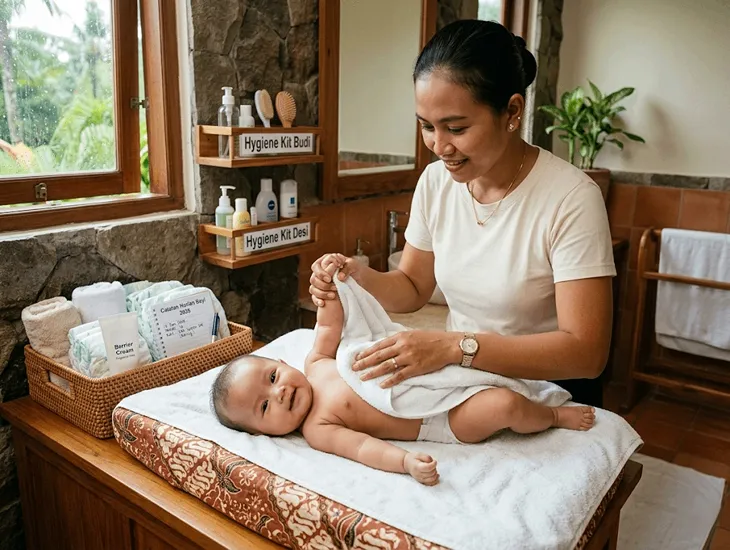
Baby wellness in Bali 2026 – Caregiver checking for fungal symptoms during the tropical rainy season

Our agency implements strict hygiene protocols to prevent rainy season baby fungal infections daily. Caregivers are trained to perform skin inspections during every morning bath. This ensures early detection of moisture issues.

Documentation is a key part of our professional childcare services. Babysitters log every diaper change and any signs of redness. This data helps parents and doctors track the progression of skin health.

We emphasize the importance of using clean, dry towels for every session. Cross-contamination is a risk when multiple children are in one household. Each child must have their own dedicated hygiene kit.

Caregivers are instructed to follow the specific drying techniques taught in our training. They prioritize patting skin dry rather than rubbing. This protects the delicate skin barrier from micro-tears and irritation.

Our staff also monitors the cleanliness of play areas and stroller liners. They ensure that moisture does not accumulate in fabrics that touch the infant. This holistic approach maintains a healthy environment.

Hiring a babysitter in Bali ensures that these protocols are followed strictly. You can trust that your child’s skin health is managed by a professional. This expertise is invaluable during the monsoon.

What to Avoid When Treating Rashes

Never self-treat a suspected infection with leftover adult medications. Steroid ointments can sometimes make a fungal rash significantly worse. Always wait for a professional medical diagnosis before applying new products.

Avoid using undiluted essential oils on an infant’s delicate skin. These can cause severe irritation or chemical burns. Many home remedies lack the clinical evidence needed for safe pediatric use.

Talc-based powders are generally not recommended for infants today. Inhaling airborne powder dust is unsafe for developing lungs. If you must use powder, apply it to your hands away from the baby.

Do not ignore a rash that appears painful or is spreading quickly. Delaying treatment can lead to secondary bacterial infections. Prompt communication with your pediatrician is the best course of action.

Avoid keeping a baby in a tight diaper or plastic pants. These items trap heat and moisture against the skin surface. Airflow is one of the most effective natural preventions for growth.

Professional caregivers follow your doctor’s instructions to the letter. They do not experiment with unauthorized treatments or remedies. This adherence to medical advice protects your child’s long-term health.

Medical Escalation and Pediatric Care in Bali

You must seek medical advice if a rash spreads rapidly. Any skin issue in a baby younger than three months needs attention. Do not wait for symptoms to resolve on their own.

A rash accompanied by a fever is a serious warning sign. If you notice blisters, yellow crusts, or pus, see a doctor. These indicate that a bacterial infection may have developed.

Seek help if your infant seems unusually lethargic or feeds poorly. Intense pain during diaper changes is also a reason for escalation. Medical professionals can provide the appropriate antifungal or antibacterial treatment.

Circular, scaly patches on the scalp require a clinical review. Ringworm can cause hair loss if it is not treated promptly. It also requires checking other family members and pets for signs.

Trust your caregiver’s observations when they report new symptoms. They spend significant time monitoring your child’s daily physical state. Their reports are a valuable tool for your family’s healthcare plan.

A babysitter in Bali follows your pre-approved medical emergency plan. They contact you immediately if they notice any red-flag symptoms. This ensures that your child receives professional care without delay.

FAQs about Rainy Season Baby Fungal Infections

Q: Why are fungal rashes more common during the rain?

A: High humidity and damp clothing create the perfect wet environment for fungi to grow.

Q: How can I tell if a rash is fungal? 

A: Fungal rashes are often bright red with sharp edges and small satellite spots nearby.

Q: Can a babysitter in Bali help prevent these infections? 

A: Yes, they implement strict drying routines and ensure the infant wears breathable cotton clothing.

Q: Should I use powder to keep the skin dry? 

A: Only use medically approved powders and apply them carefully to avoid airborne dust inhalation.

Q: Is ringworm common in tropical climates like Bali? 

A: Yes, it is contagious and can spread in humid conditions between family members and pets.

Q: What is the best fabric for my baby’s clothes? 

A: Lightweight cotton is the best choice because it allows for maximum airflow and sweat evaporation.

Need help preventing Rainy Season Baby Fungal Infections? Chat with our team on WhatsApp now!