
SAKA Museum at AYANA in Jimbaran for Families: Culture Indoors with Kids in Bali
Exploring high-end galleries is often a challenge for traveling parents. You want to absorb local history but struggle with restless toddlers in quiet spaces. Managing active children in museums is physically draining.
Quiet halls and fragile artifacts often stress families seeking educational stops. The desire to learn is often lost because you must constantly shush your children. This tension ruins your cultural immersion and relaxation.
Running and loud voices disrupt the reverent atmosphere required for such prestigious venues. You spend the visit redirecting behavior instead of enjoying the award-winning exhibits. This vigilance prevents true relaxation during your trip.
Hiring a professional babysitter in Indonesia provides a reliable solution for your afternoon. A dedicated caregiver manages the children safely through the story-rich halls. This support transforms a demanding visit into an organized experience.
Refer to Official Tourism Indonesia for general travel standards and etiquette. Experts monitor safety boundaries while you focus on the art. A trained assistant coordinates the pacing to ensure everyone stays happy.
Having a dedicated helper allows you to truly participate in the learning. You can finally enjoy the philosophy without acting as a referee. Secure professional help for SAKA Museum Culture Indoors with Kids in Bali.
Table of Contents
Discovering Balinese Philosophy at SAKA Museum
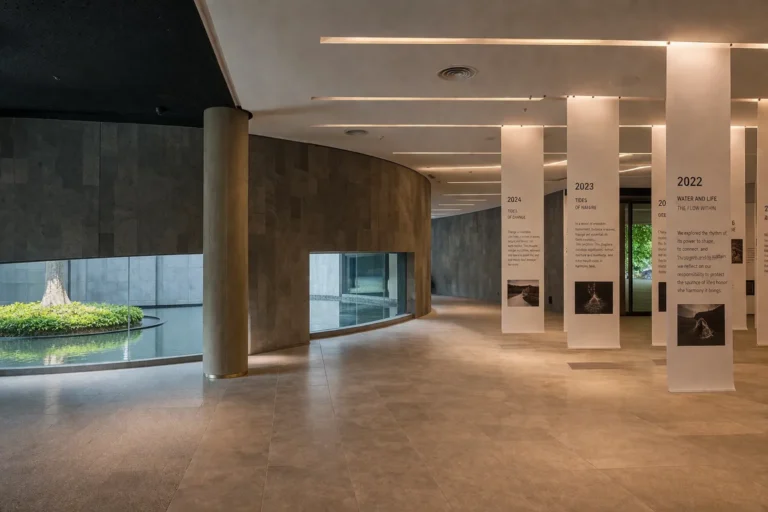
The facility is located within the lush AYANA Bali resort in Jimbaran. It serves as a premier destination for families seeking Culture Indoors with Kids in Bali. The air-conditioned space is welcoming and modern.
Exhibits center on the principle of Tri Hita Karana, which emphasizes harmony. Visitors learn about the relationship between humans, nature, and divinity. This deep philosophy is presented through stunning visual narratives and artifacts.
A professional babysitter in Bali helps children connect with these complex themes. They use simple language to explain the meaning of harmony. This keeps the kids engaged while you appreciate the award-winning architectural design.
The museum houses ancient palm-leaf manuscripts and traditional stone carvings. These items provide a tangible link to the island’s rich spiritual history. It is a quiet retreat from the busy coastal beach clubs nearby.
Guides are available to offer deeper insights into the specific collections. They share stories that bring the inanimate objects to life for all ages. This educational focus makes it a standout for family activities.
The environment encourages curiosity and respect for local traditions. You can spend several hours wandering through the beautifully lit galleries. It is a world-class cultural stop in the heart of the Jimbaran hills.
The Magic of Nyepi and Giant Ogoh-Ogoh Figures
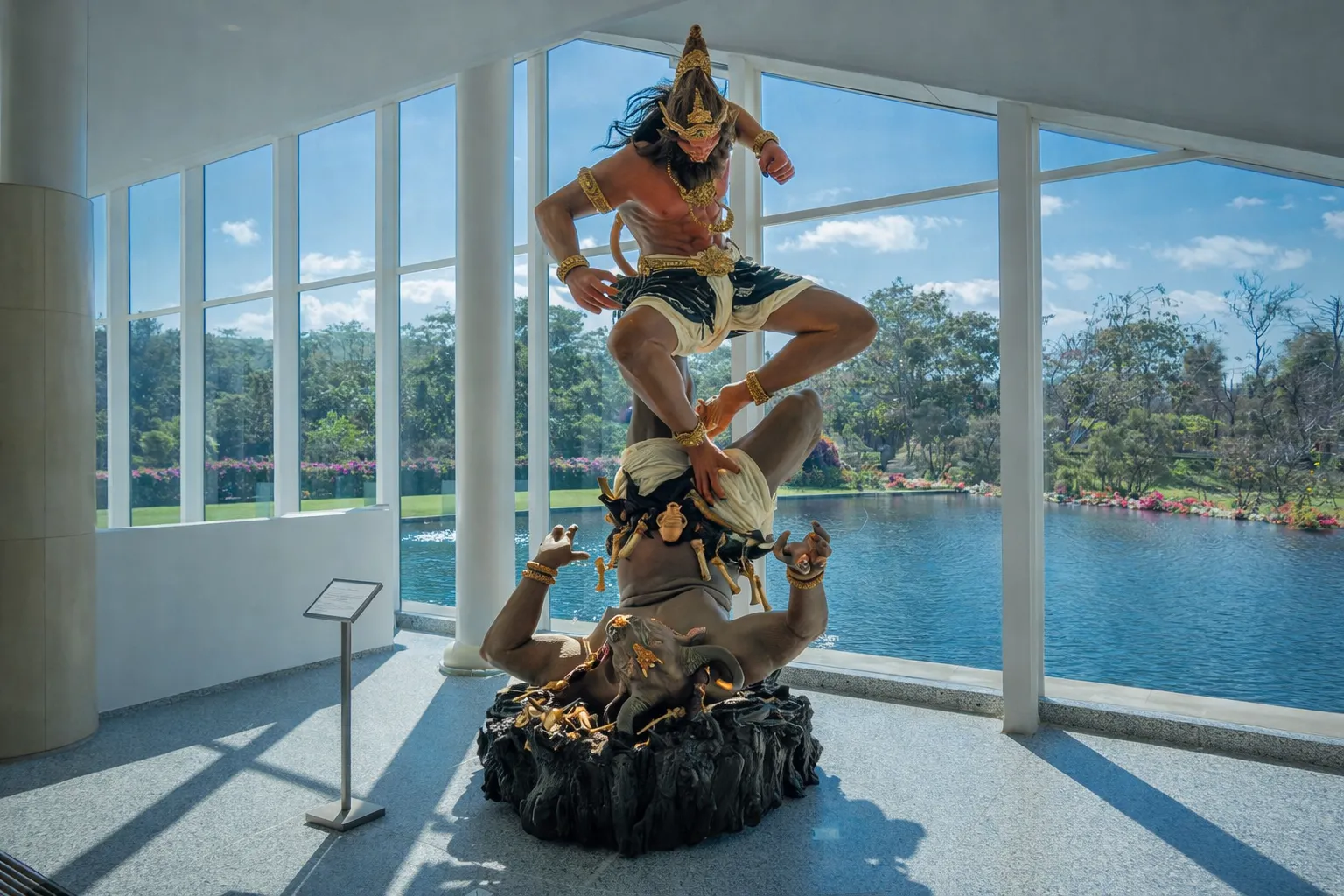
One of the most striking sections features the traditional ogoh-ogoh sculptures. These giant figures represent mythological beings used during the Nyepi eve parades. Children are often fascinated by their impressive size and detail.
The museum explains the significance of the Day of Silence. It details why the entire island shuts down for a day of reflection. This story is central to understanding the local way of life.
A babysitter in Bali turns this exhibit into a storytelling session. They explain the figures in a way that is fun rather than scary. This proactive management keeps younger children calm and curious while you explore.
Parents can photograph these towering artworks while the caregiver manages the children’s excitement. You do not have to worry about toddlers getting too close to the displays. The assistant ensures a safe viewing distance.
The lighting in this gallery is dramatic and enhances the storytelling. It creates a mystical atmosphere that leaves a lasting impression. You get to see these parade figures up close without the crowds.
This section is a highlight for families seeking Culture Indoors with Kids in Bali. It provides a colorful and memorable look at community creativity. The craftsmanship involved in each figure is truly remarkable.
Navigating Ancient Manuscripts and Gamelan Halls
The museum displays rare lontar manuscripts etched on palm leaves. These ancient texts contain the wisdom of ancestors across various subjects. It is a delicate and impressive collection for history lovers.
Gamelan instruments are also showcased, representing the soul of local music. Children can see the intricate carvings on the traditional bronze and bamboo tools. It is a visual feast of texture and cultural detail.
A caregiver can turn the instrument hall into a “spot the shape” game. They keep the children focused on specific artistic details. This prevents boredom and keeps the group moving at a steady pace.
The layouts are designed with clear paths and modern glass cases. This ensures the artifacts remain protected while being fully visible to young visitors. You can enjoy the silence while the kids are occupied.
The Knowledge Center offers deeper resources for those interested in research. It is a calm space for reading and reflection within the estate grounds. Families appreciate the quiet dignity of this scholarly environment.
Educational panels provide context in both Indonesian and English. This accessibility ensures that the core messages reach every visitor. Your caregiver helps translate these panels into age-appropriate stories for the children.
Interactive Digital Features for Young Explorers
Modern technology enhances the traditional exhibits throughout the facility. Interactive panels and short films help explain complex agricultural and spiritual systems. These features are particularly effective for keeping children engaged.
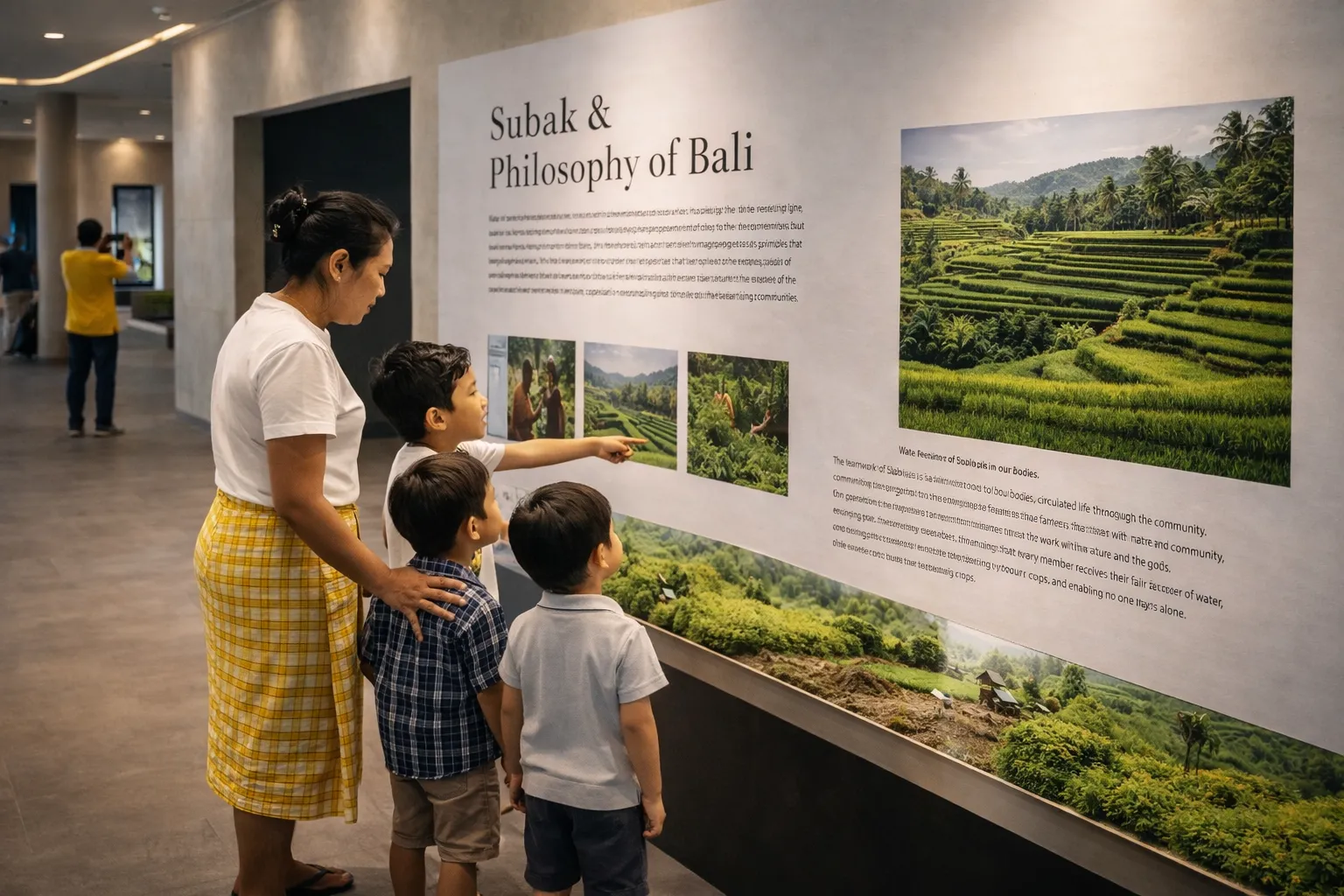
Digital kiosks allow kids to play simple games related to Balinese traditions. They can learn about the subak irrigation system through visual simulations. This makes the educational experience feel like an exciting modern adventure.
A professional babysitter in Bali monitors the use of these interactive stations. They ensure each child gets a turn without any arguments. This organized management keeps the atmosphere peaceful for other museum guests.
Short films provide a visual break from reading placards. They use high-quality cinematography to show Nyepi rituals in action. This helps children visualize the traditions they are learning about in the quiet halls.
The inclusion of technology caters to the school-age audience. It satisfies their need for stimulation while maintaining the museum’s cultural integrity. Parents can explore nearby cases while the kids use the screens.
This blend of old and new is perfect for Culture Indoors with Kids in Bali. It ensures that history remains relevant and exciting for the next generation. The museum sets a high standard for interactive learning.
Real Story: Akari’s Calm Cultural Immersion
Akari stood before the giant, snarling sculptures and feared her toddlers would disrupt the silence. She had traveled from Pererenan to Jimbaran for a day of history. The museum was silent and very prestigious.
She hired a professional caregiver to manage the museum walk. The babysitter met them at the entrance and immediately started a quiet observation game. Akari finally felt her shoulders drop in relief.
The babysitter whispered stories about the giant figures, keeping the boys fascinated. Akari wandered through the lontar manuscript hall in total peace. They left the museum feeling enlightened and calm instead of exhausted.
When the youngest got tired, the babysitter found a quiet viewing bench. She sat with him while Akari finished the guided tour. They left the museum feeling enlightened and calm instead of exhausted by the logistics.
The drive back was quiet as the boys discussed the “giant monsters.” Akari realized that having an expert allowed her to truly enjoy the experience. The visit to the SAKA Museum was a cultural success.
The professional support allowed Akari to be present but relaxed. She didn’t have to worry about the logistics or the physical strain. The afternoon was completely stress-free for the entire family.
Pacing the Visit for Different Age Groups
Toddlers have short attention spans in quiet environments. They are best suited for the giant sculpture halls and multimedia zones. A babysitter in Bali manages their movement to keep them from getting bored.
School-age children are the core audience for the story-rich exhibits. They can follow the narratives about subak and Balinese philosophy in more depth. Your assistant encourages them to ask questions and explore the artifacts.
Teens appreciate the aesthetic beauty and the deeper meanings of the art. They often enjoy taking photos of the impressive architecture. A caregiver can help manage the younger siblings during these moments.
Your babysitter ensures that the group doesn’t linger too long in one area. They rotate through the different halls to keep the energy levels balanced. This prevents the “museum fatigue” that leads to late-afternoon meltdowns.
The museum offers a Knowledge Center for older kids to dive deeper. This allows for a tiered experience where everyone finds something interesting. Your assistant coordinates these different needs effortlessly during the day.
Proper pacing is essential for a successful family outing. It ensures that the cultural message isn’t lost in a cloud of frustration. Professional support makes this balance possible for every visiting family.
Essential Museum Etiquette and Safety Protocols
High-end cultural spaces require strict behavioral standards. No running or shouting is permitted within the galleries. This maintains the respectful atmosphere dedicated to Balinese spirituality and heritage.
Touching the artifacts or glass cases is strictly prohibited to preserve the art. A babysitter in Bali enforces these rules with gentle consistency. Using a “museum voice” is expected to avoid disrupting other guests.
The facility is disability-friendly and includes elevators for easy access. This ensures that families with strollers can navigate the levels safely. Your assistant manages the stroller logistics while you enjoy the exhibits.
If a child becomes overwhelmed by the large figures, the babysitter intervenes. They take the child to a brighter, more open area immediately. This proactive care prevents any fear or emotional distress during the visit.
Establishing these boundaries before entry is a vital task. Your babysitter briefs the children on how to behave in a “special art house.” This ensures your family leaves a positive impression on the museum staff.
Consistent rules help children feel secure in a busy environment. They learn to wait their turn and respect others. This social development is a key benefit of supervised cultural group play.
Booking a Vetted babysitter for Jimbaran Outings
Securing an expert for your cultural day is a very simple process. Parents share the children’s ages and their interest levels in art. We match you with an experienced babysitter in Bali for your visit.
Most families book a four-hour block for the SAKA Museum excursion. This allows for a relaxed tour and a transition to a follow-up activity. Your caregiver meets you directly at your resort or hotel.
All staff undergo rigorous background screening and police clearances. They are trained in First Aid and professional childcare etiquette. This expertise provides essential peace of mind for families.
Transparent pricing ensures you understand the investment before you book. We provide exact quotes for specialized museum-assistance services in Indonesia. This integrity builds lasting trust with our global community of expat clients.
Booking early is recommended during the peak holiday seasons in Bali. This secures the availability of our most culturally aware assistants. Plan your secure excursion to the AYANA estate with our team today.
The presence of an expert allows you to truly immerse yourself in history. You gain the freedom to learn as a couple. Your children receive the highest standard of personalized care throughout the day.
FAQs about Culture Indoors with Kids in Bali
Is the museum air-conditioned?
A: Yes. The museum is fully air-conditioned and very comfortable.
Are strollers allowed?
A: Yes. The facility is disability-friendly and has elevators for strollers.
How long is the visit?
A: Most families spend between one and two hours exploring the galleries.
Is there an entry fee?
A: Yes. Public visitors pay a fee, while AYANA guests often have complimentary access.
Are the statues scary?
A: Some figures are imposing, but a babysitter can explain them playfully.
Do I need a babysitter?
A: A babysitter in Bali manages noise and behavior, making the visit relaxing.

