
School Participation for Parents in Bali: Simple Ways to Stay Involved
Many expat families in Indonesia find school involvement daunting. You juggle work, traffic, and personal commitments. Balancing work with family time is demanding, and finding balance requires a realistic, structured approach to your schedule.
You likely want to support your child’s educational journey actively. However, the logistical pressures of life in Indonesia often prevent you from attending every assembly, sports event, or parent-teacher meeting throughout the school year.
You may feel like an outsider when you cannot participate fully. This distance creates stress, affecting your confidence and your child’s sense of belonging within their diverse international school environment here in Indonesia.
True integration into the local school community is achievable through small, consistent actions. You do not need to be a full-time volunteer to make a significant impact on your child’s school experience.
We specialize in providing reliable support so you can focus on what matters most. Professional care gives you the time and energy needed to participate meaningfully in your child’s school life and community events.
Table of Contents
Understanding School Culture
Every school in Indonesia has a unique rhythm. International schools often cultivate a family-like atmosphere, inviting parents to join associations or volunteer for events. Understanding this culture is the first step to involvement.
You do not need to be at the school every day. Being present for specific, high-impact events shows your children that you value their educational environment. Start by observing the school’s community guidelines and values.
Each school offers different levels of engagement. Some focus on classroom volunteering, while others prioritize larger community festivals or sports days. Choose the activities that align best with your schedule and your personal strengths.
Embrace the diversity of the international community. Participating in cultural days or international food fairs provides a wonderful opportunity to learn about other cultures. This openness teaches your children the value of inclusive engagement.
Using Communication Tools
Modern schools use digital platforms to bridge the gap. Newsletters, email updates, and WhatsApp groups are standard. Staying on top of these tools ensures you are aware of upcoming opportunities and important school announcements.
Read weekly updates carefully. Mark key dates in your calendar immediately. Even if you cannot attend every event, sending a quick reply or offering support via email shows the teachers that you are engaged.
Digital platforms often share specific requests for parent help. These requests are usually targeted and time-bound. Answering these prompts promptly, even with a small contribution, demonstrates your commitment to the school’s thriving community spirit.
Communication tools simplify your life as a parent. They help you stay informed without needing to be physically present on campus. This knowledge empowers you to plan your time more effectively throughout the terms.
Attending Key Community Events
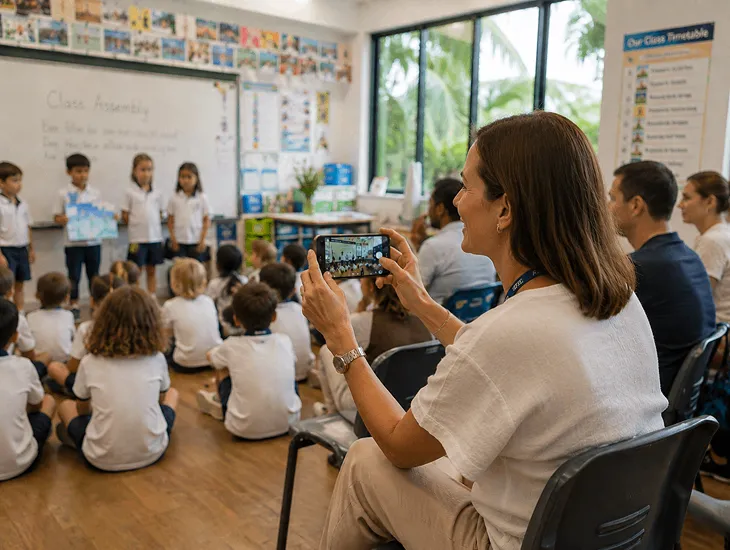
School events are the heart of the community. Performances, sports matches, and cultural festivals are designed to bring families together. These gatherings are the most visible way to show support for your children.
Even a brief appearance leaves a lasting impression. When you attend an assembly, your child sees your commitment. They feel a sense of pride, knowing that you care about their daily life and achievements.
Prioritize events that are most important to your children. Sports tournaments or musical performances are often the highlights of their semester. A quick visit to these moments strengthens your bond and boosts their confidence.
You do not need to volunteer for hours to make a difference. Attending as an audience member is enough. Your presence validates the hard work the school and the students have put into the event.
Supporting Learning at Home
Support your child’s development outside of the classroom. Consistent values between school and home are crucial. Discuss what they learned today. Read the materials they bring home and show interest in their school projects.
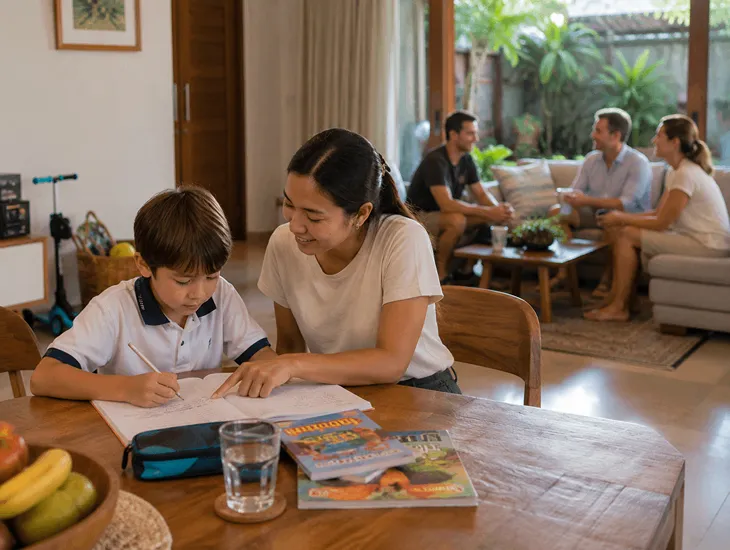
Create a dedicated space for homework and study. A quiet, organized environment helps children focus on their assignments. Help them develop the discipline to manage their time, which is a vital skill for their future.
After-school activities are an extension of the school’s curriculum. Support these interests by ensuring your child can participate consistently. Your interest in their clubs, sports, or arts programs shows that you respect their passions.
Your engagement at home reinforces the lessons they receive at school. This partnership between home and school creates a stable, nurturing environment. It allows your children to feel confident and ready to tackle academic challenges.
Real Story: Finding Balance
Arnold, a British designer, lived in a breezy villa in Sanur. He loved his work, but the daily school run and sudden afternoon meetings often clashed, leaving him feeling quite guilty and tired.
He wanted to join the upcoming arts festival, but his schedule was packed. The constant sound of his phone ringing with project updates seemed to interrupt Maya’s homework time, creating a stressful evening.
Arnold needed help. He visited our website for assistance. He realized that he needed a partner to manage the afternoon logistics so he could actually attend the festival without rushing or missing any deadlines.
Our Babysitter in Indonesia, Wayan, arrived at the villa just as the afternoon heat peaked. She managed the healthy snack, guided Maya through her math homework, and kept everything calm and very well-organized.
Arnold finally felt that sense of relief. With Wayan handling the afternoon routine, Arnold made it to the festival on time. He watched Maya perform, knowing that he had finally found the right balance.
Connecting with Other Parents
Your parent network is a vital resource. Building relationships with other families helps you stay informed about school life. Cafés, sports clubs, and neighborhood playdates are perfect places to connect with fellow expat families.
These informal connections serve as a support system. You can share information about school updates, carpool opportunities, or upcoming community events. This network provides moral support when you navigate the complexities of school life.
Parent associations often grow from these informal meetings. You might find friends who are eager to collaborate on school projects. This collective effort makes large-scale school participation much easier and more enjoyable for everyone.
Socializing with other parents helps you feel more at home. It turns the school from an institution into a community. When you know the parents, you feel more connected to the school’s mission and culture.
Leveraging Professional Childcare in Bali
After-school support is a game-changer for parent engagement. When a professional manages the logistics, you gain the time required to attend meetings, workshops, and events. Your participation levels will inevitably rise with reliable help.
Our team ensures that your children remain safe and engaged while you are busy. We handle school pickups, snack preparation, and homework routines. This support allows you to focus on your professional work and duties.
We vet all caregivers with high standards. Our team includes professionals with childcare training, clean background checks, and first-aid skills. You trust the person entering your home because we prioritize your family’s security today.
Reliable care is the foundation of School Participation for Parents in Bali. When you have a professional partner handling the home front, you possess the freedom to be an active, present, and involved school parent.
Managing Time and Priorities
Be realistic about your capacity. You cannot do everything, and that is completely acceptable. Choose one or two areas where your contribution is most valuable and stick to those commitments throughout the school year now.
Communicate your limitations to the school. If you cannot volunteer for every event, express your interest in specific activities. Schools appreciate reliable, focused help over sporadic, overwhelmed participation. Quality of time beats total quantity.
Use your sitter strategically. Schedule your school volunteering on days when your caregiver can cover the homework routine. This coordination allows you to maintain your professional work without sacrificing your connection to the school community.
Managing your time well makes participation sustainable. When you plan your commitments carefully, you avoid burnout. This approach ensures your involvement remains a positive experience for both you and your children throughout the year.
FAQs about School Participation for Parents in Bali
Q: How can I be involved if I work full-time?
A: Focus on small, consistent touchpoints like attending key events, reading newsletters, and supporting learning at home.
Q: Do international schools require volunteering?
A: Many encourage it to build community, but they understand work constraints; offer help where your skills are best suited.
Q: How do I build a network with other parents?
A: Join sports clubs, after-school activity groups, or visit neighborhood cafés where school parents frequently congregate.
Q: How can a sitter help with school life?
A: A sitter handles school pickups and homework, giving you the time to attend parent meetings and volunteer during the day.
Q: Should I attend every school event?
A: No, prioritize events that are most meaningful to your child to maintain a balance and avoid potential burnout.

