
Review Us
Reading in Babies and Kids: Simple Ways to Encourage It
author

Reading in Babies and Kids: Simple Ways to Encourage It

Expatriate parents often struggle to maintain consistent educational routines while living abroad. Balancing a demanding career with early childhood development feels overwhelming. Daily distractions often prevent meaningful bonding moments.

Relying on digital screens for entertainment hinders long-term brain growth. Excessive media consumption leads to lower attention spans in young children. You worry your child is missing critical language milestones.

Building a consistent literacy habit is difficult without dedicated support. Finding time for daily storytelling seems impossible during busy work weeks. This lack of routine creates anxiety about your child’s future.

The American Academy of Pediatrics recommends starting shared book time during infancy. Reading aloud stimulates brain circuitry and strengthens secure attachments. Expert support helps establish these daily habits.

Establishing Reading in Babies and Kids requires simple, daily commitment. Integrating short, frequent sessions into your routine builds essential cognitive skills. Your children deserve the gift of lifelong literacy.

A qualified babysitter in Bali provides the necessary consistency for these routines. They implement daily storytelling while you manage your professional obligations. Your child thrives through focused, one-on-one educational engagement.

Benefits of Early Literacy Habits

Starting shared book time during infancy provides a critical foundation for language development. Experts confirm that reading aloud strengthens the emotional relationship between caregivers and children. It stimulates vital brain circuitry.

Consistent literacy habits improve executive function and social-emotional development. Children who read daily show higher levels of self-esteem and school readiness. These benefits extend into their academic and professional lives.

Even ten minutes of daily engagement supports significant vocabulary growth. It enhances comprehension skills in preschoolers and older children alike. Professional childcare ensures these micro-practices occur reliably every single day.

When a babysitter in Bali reads with your child, they contribute to development. They are not simply filling time while you are away. They are supporting long-term academic and cognitive success.

Integrating books into a daily routine creates a sense of security. Children learn to associate learning with comfort and focused attention. This positive association is the first step toward a passion for books.

Educational games often revolve around the themes found in storybooks. This connection helps children process new information more effectively. You see immediate improvements in their ability to communicate their needs clearly.

Board Books for Infants Under Two

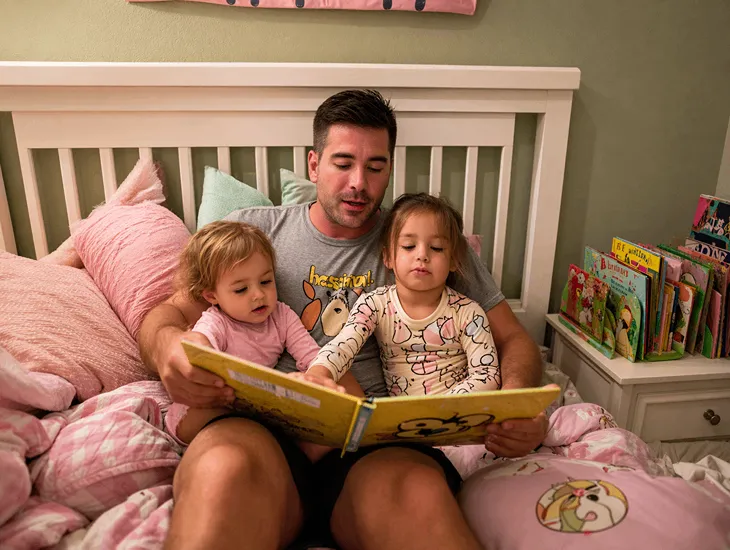
Childcare in Bali 2026 – Professional babysitter reading aloud to infants with high contrast picture books

Literacy experts recommend starting with very short and frequent sessions for infants. Use sturdy board books that are easy for small hands to grasp. Focus on high-contrast images to capture their visual attention.

It is vital to follow the interest of the infant during play. Do not force long sessions if they become restless or tired. Naming objects and pointing to pictures builds basic vocabulary effectively.

Print books are significantly better than digital screens for infants. Shared attention and eye contact during print reading provide unique developmental benefits. Apps and audiobooks cannot match the impact of interaction.

Your trusted babysitter in Bali can manage these lap-reading sessions easily. They respond to the infant’s cues, such as pointing or wanting to re-read. This focus ensures your baby receives optimal stimulation.

Repeating favorite stories helps babies recognize patterns and sounds. This repetition is a fundamental part of early language acquisition. It provides a predictable activity within their daily tropical routine.

Tactile books with different textures offer sensory stimulation for toddlers. They enjoy feeling the different surfaces as you read the story aloud. This multi-sensory approach keeps them engaged for longer periods.

Interactive Storytelling for Preschoolers

Interactive reading techniques are essential for children aged two to five years. Ask engaging questions like “what do you see?” to build comprehension. Encourage them to predict “what happens next?” as you turn pages.

Using expressive voices and connecting stories to daily life keeps toddlers engaged. Repetition remains important as they begin to memorize their favorite books. These practices transform a story into an active learning experience.

Creating book first routines at bedtime or quiet time supports healthy habits. Limiting screen time is crucial during these formative years of development. High digital consumption correlates with lower scores in later childhood.

A professional babysitter in Bali reliably implements these animated storytime sessions. They use books as a bridge to other creative play activities. This keeps your preschooler entertained while you are working.

The goal is to make books a natural part of their environment. Allow them to turn the pages and interact with the physical book. This hands-on experience builds a deep sense of engagement.

Encourage your child to act out scenes from the story using their toys. This role-play develops their imagination and social skills naturally. It makes the reading experience much more dynamic and memorable.

Reading in Babies and Kids: Older Children

Older children need agency and choice to maintain their interest in reading. Allow them to pick topics and formats that excite them. This includes comics, graphic novels, and non-fiction about their hobbies.

Setting aside twenty minutes for independent reading creates a sense of discipline. Connect the themes in their books to real-life experiences. This connection makes the content feel relevant and interesting.

Balancing print books with digital tools can maintain high motivation levels. However, the focus should remain on deep reading sessions without distractions. This habit builds critical thinking skills needed for future success.

A dedicated babysitter in Bali can supervise these quiet reading corners. They provide a supportive presence while allowing the child to read independently. This balance of autonomy is perfect for school-age development.

Discussing the plot after a reading session enhances critical reasoning. Ask your child about their favorite characters or surprising plot twists. These conversations show them that their thoughts on literature matter.

Encourage them to write their own short stories based on the books they read. This creative outlet improves their writing skills and vocabulary. It solidifies their understanding of narrative structure and character development.

Real Story: Shifting Routines in Pererenan

Maria, 36 years old, sat at her desk in Pererenan while her toddler scrolled through a tablet nearby. Motorbike traffic made concentration difficult as she tried to finish an urgent report.

She watched her son’s eyes glaze over during hours of flashing videos. The guilt of using a screen as a silent companion felt heavy. She knew this was not the childhood she wanted.

Client calls filled her morning, leaving her with no energy to find a book. She needed a way to break the digital loop before the habit became permanent. She sought help to restore her son’s curiosity.

She used our service to hire an experienced babysitter in Bali. The caregiver arrived carrying a wooden bag filled with colorful picture books. She immediately sat on the floor, starting a story about jungle animals.

Within a week, the tablet sat forgotten on a high shelf. Maria heard her son laughing as the caregiver practiced Reading in Babies and Kids in an animated voice. The quiet story corner became popular.

Maria works productively while her son learns. The household tension has dissolved into a peaceful atmosphere of shared learning. Proper childcare support transformed their expatriate life into a success.

Vetting Literacy-Focused Childcare Providers

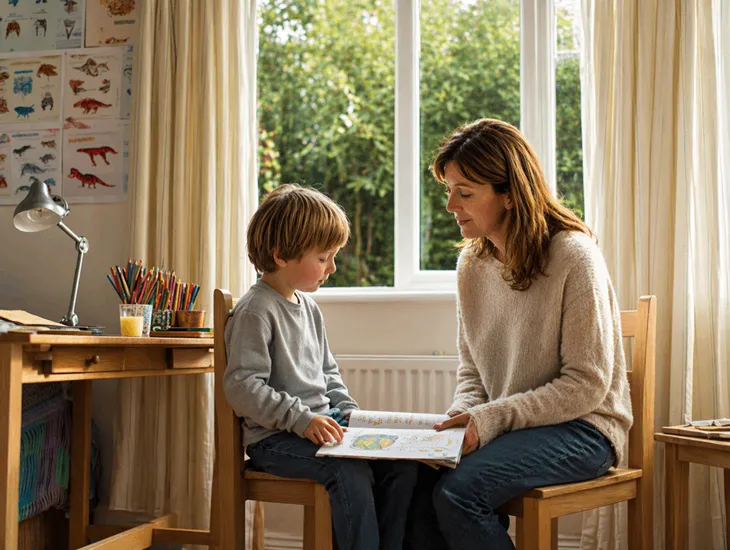
Literacy support in Indonesia 2026 – Toddlers engaging in interactive book play and sensory language learning activities

Selecting a caregiver who values education requires a focused screening process. Look for candidates with a background in early childhood education or teaching. Their experience with literacy activities is an asset for your family.

Ask potential candidates how they integrate books into a daily schedule. Request that they describe a favorite reading activity for your child’s age group. Their response will reveal their level of engagement.

During a trial session, observe how the candidate interacts with a book. Do they read expressively and respond to the child’s questions? A natural ability to connect with stories is vital for fostering passion.

A high-quality babysitter in Bali should naturally pick up a book during quiet time. They must respect your rules regarding screen time and preferred languages. This alignment ensures a consistent learning environment.

Verification of references and childcare experience remains a mandatory step. Ensure the provider has a clear history of supporting educational goals. This due diligence guarantees the safety and growth of your children.

Check if the caregiver is familiar with local resources for families. The British Council provides excellent English learning materials for young children. Integrating these resources can significantly enhance your child’s learning journey.

Multilingual Literacy for Expatriate Families

Expatriate families in Bali often balance multiple languages within the home. Literacy experts encourage reading in the child’s primary home language first. This supports emotional bonding and deeper comprehension of the stories.

Additional languages can be introduced through simple picture books and labels. Reading in a familiar language provides the cognitive framework for learning new ones. It ensures the child feels confident while expanding their abilities.

A professional babysitter in Bali can support this multilingual journey effectively. They can read books in English or provide exposure to local Indonesian phrases. This approach enriches the child’s cultural and linguistic understanding.

Consistency is the key to success in a multilingual household. Set clear expectations for which languages should be used during storytime. This clarity helps the child navigate different languages without feeling confused.

Multilingualism is a significant advantage for children living in a globalized world. Fostering a passion for books across different languages is powerful. It prepares them for a lifetime of international communication.

Use bilingual books to introduce new vocabulary in a structured way. Comparing the same story in two languages helps children recognize synonyms and sentence structures. It makes language learning an enjoyable part of their day.

Safe Habits for Early Childhood Reading

Safety must remain a top priority when introducing books to young children. Supervise babies while they interact with board books or cloth books. These materials are often chewed during normal sensory exploration.

Avoid books with small detachable pieces that could pose a choking hazard. Ensure the inks and materials used in the books are non-toxic. Protecting the physical health of your child is the first step.

A diligent babysitter in Bali monitors these sessions to prevent accidental injuries. They ensure that books are stored safely when the activity is finished. This care allows your child to explore literature without risks.

Board books with rounded edges are the safest choice for toddlers. They prevent accidental scratches during enthusiastic page-turning. Always inspect books regularly for any wear that could become dangerous.

Creating a safe and comfortable reading environment encourages longer engagement. Use soft pillows and adequate lighting to make the experience pleasant. A secure child is a child who is ready to learn.

FAQs about Reading in Babies and Kids

Q: When should I start reading to my baby?

A: You should start reading aloud from birth to support early brain development.

Q: Are audiobooks as effective as print books for toddlers?

A: No, print books with shared attention provide benefits that audiobooks cannot match.

Q: How long should a reading session last for a baby?

A: Aim for short, frequent sessions of five to ten minutes based on their interest.

Q: What should I do if my child prefers screens over books?

A: Set clear book first rules and limit digital access to prioritize reading habits.

Q: Is it okay for my child to read comics or graphic novels?

A: Yes, allowing children to choose their own reading format maintains motivation.

Looking for a babysitter who can support your child’s reading time at home? Chat with our team on WhatsApp now!