
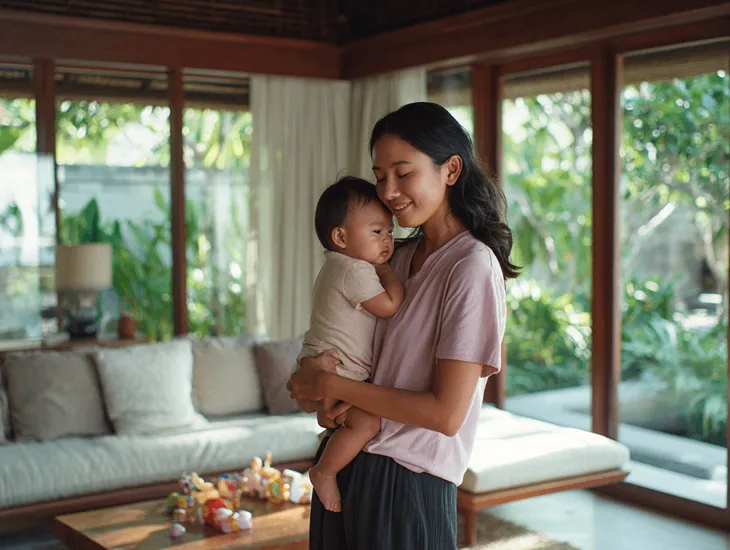
Singing to Babies: A Simple Way to Support Brain Development
Regular, meaningful interaction helps babies build important brain connections. Parents in Indonesia often feel overwhelmed by the heat. Finding time for focused development is a struggle for many families.
Busy days often lead to quiet moments instead of active play. This lack of engagement can impact communication skills. Parents worry about missing critical steps in their child’s growth.
Stressful surroundings in Ubud can overstimulate sensitive infants. Without a calming influence, babies may struggle to settle. This leads to poor sleep for both infants and parents.
Singing to Babies provides a simple way to solve these hurdles. Musical play activates many brain regions at once. It supports sound processing and helps children gain better focus.
A trained Babysitter in Bali adds melody to every daily routine. They use slow rhythms to capture attention and soothe. This engagement is more effective than playing recorded audio.
Caregivers turn care into developmental sessions. Early childhood musical stimulation improves vocabulary. Hire an expert today to support your infant’s brain growth.
Table of Contents
Brain Activation Through Musical Play
Musical experiences in infancy activate multiple brain regions at the same time. This process supports the sound processing and cognitive control areas of the mind. It provides a strong foundation for learning.
Caregiver voices increase levels of dopamine and norepinephrine in infants. These chemicals help with alertness and memory. Singing to Babies is an essential part of their development.
Rhythm helps the brain recognize and follow the flow of natural speech. Early exposure allows babies to refine how they store complex musical structures. This skill assists with future academic success.
Interactive melodies help infants link sounds to physical lip movements. This visual connection improves speech perception as the child grows. It is a fundamental part of early childhood education.
A dedicated Babysitter in Indonesia uses these auditory cues to support learning. They ensure the environment remains rich with meaningful sounds. This proactive care helps your child thrive in a new environment.
Expert caregivers understand that every song is a chance to grow. They prioritize interaction over passive listening. This focus creates a supportive atmosphere for your little one.
Language and Mood Benefits
Music helps distressed infants manage their complex emotions. Caregiver singing has been shown to improve infant mood over several weeks. It is a powerful and safe tool for calming children.
Singing to Babies with a high pitch helps them hear speech patterns. Repeated sounds build the neural pathways needed for language. Movement to rhythmic songs is related to a better vocabulary later.
Rhythm also strengthens the attention span of young children. Pattern recognition becomes more accurate through consistent stimulation. This helps the baby navigate a multi-language environment in Indonesia.
Social bonding and security are the core pillars of development. Talking and singing together build secure attachments. A professional Babysitter in Bali ensures these interactions happen throughout the day.
Babies feel safer when they hear a familiar voice. This security allows them to explore their surroundings with confidence. Melodic play is the perfect way to build this trust.
Our Babysitter use music to create a joyful atmosphere. They turn everyday tasks into opportunities for connection. Your child will feel loved and stimulated during every shift.
Understanding Singing Patterns
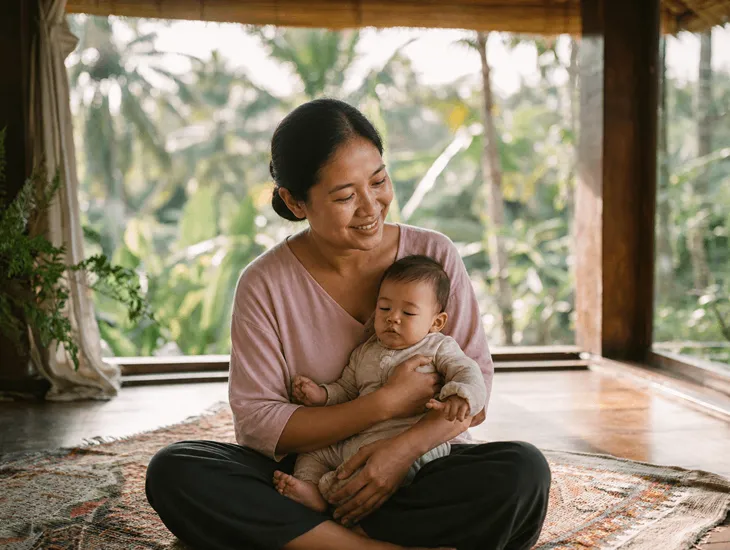
Infant singing features a slower tempo and clear intonation. Simple melodies are effective at capturing the attention of an infant. This style encourages coordination and holds the baby’s focus longer.
Face-to-face interaction allows the baby to view the caregiver’s mouth. This visual aid helps them learn how to form sounds. It is more effective than playing music from a speaker.
Varying between lullabies and play songs supports different needs. Calming lullabies help regulate energy during sleep routines. Playing songs with beats promotes motor and social skills during the day.
A professional Babysitter in Indonesia experiments with these different patterns. They notice which songs energize or calm a specific child. This personalized care ensures the stimulation matches the baby’s personality.
Using simple words helps the baby follow along easily. Repetition is the key to mastering new sounds. A in Bali provides this consistency during your tropical holiday.
Experts recommend gentle volume levels to protect sensitive hearing. Overly loud music can distress some infants. Our caregivers always watch for cues to adjust the noise level.
Musical Routines in Daily Care
Integrating Singing to Babies into care makes the day predictable. Greeting songs and bath time melodies provide clear cues. These signals help infants feel more secure during transitions.
Routine activities are the perfect time for interaction. Babysitter use these moments to encourage babbling. The baby practices listening in a playful way during every diaper change.
Predictable sleep cues are essential for a good rest. Soft lullabies at nap time help regulate the baby’s nervous system. This support leads to a smoother path to sleep in Bali.
Action songs during play promote motor and language milestones. Clapping and gentle bouncing integrate physical skills with sound. This holistic approach ensures the whole brain is stimulated daily.
Caregivers bring a sense of fun to standard chores. A song about washing hair makes bath time a happy event. This positive association helps your child enjoy their daily routine.
Predictability reduces the frequency of infant meltdowns. When a child knows what comes next, they stay calm. Music is the thread that connects the day together.
The Value of a Musical Babysitter in Bali
A professional Babysitter in Bali does more than just watch your child. They use singing as a primary brain-building tool. This intentional care differentiates expert help from simple supervision.
Caregivers provide auditory stimulation while parents are working. They ensure the child’s environment is rich with interaction. This prevents the stagnation that occurs with passive audio listening.
Expert Babysitter teach parents simple songs and routines. This allows the family to continue the same patterns together. Consistency across all caregivers reinforces the benefits for the baby.
Individualized care means the Babysitter adjusts to the baby’s cues. They know when to lower the volume to avoid stress. This professional awareness is vital for a happy infant.
Our team is trained to engage infants in a meaningful way. They understand the science of early childhood development. Your child will receive the best possible care in Indonesia.
Hiring a helper allows you to focus on your own tasks. You can work or rest knowing your baby is learning. We provide the expertise your family needs to succeed.
Real Story: Soothing Moments in Ubud
Meet Lea, a 36-year-old mother from Sweden living in Ubud. She struggled with her son’s sleep after arriving in Indonesia. The tropical heat and the sounds of the surrounding environment kept him awake.
Her son became irritable and refused to nap in the new villa. Lea felt exhausted and could not focus on her remote work. She decided to hire a professional Babysitter in Bali for help.
The caregiver integrated a soft, rhythmic humming routine during feeding. She sat face-to-face with the baby using calming tones. The structure of the melody slowly calmed the restless infant.
By the second day, the baby recognized the nap-time song. He relaxed his body as soon as the melody began. The predictable auditory cue restored his sense of security.
The sounds of the surrounding environment became background noise rather than a stressor. Lea was able to finish her project while the Babysitter managed the soothing. This support saved her holiday.
She felt a deep sense of relief seeing her son happy. The Babysitter’s expertise made the transition to Bali easy. Lea now enjoys her mornings in the jungle with peace.
Choosing a Caregiver with Interaction Skills
When hiring, ask how candidates use Singing to Babies in a day. They should describe specific tunes for meals and sleep. Comfort with playful interaction matters more than a perfect voice.
Observe whether the candidate sings face-to-face during a trial. They should adjust their tempo to match the baby’s mood. This demonstrates an understanding of responsive child care.
A good Babysitter in Indonesia knows that live interaction is best. They should prioritize engagement over turning on a television. Their focus must remain on the infant’s reaction.
Ask for examples of songs they use for soothing and play. A qualified Babysitter in Bali will show variety in their routine. This ensures your child receives broad stimulation.
Respect for your language preferences is also very important. A professional is willing to learn your family lullabies. This alignment supports bonding and makes the transition easy.
Our agency screens for these essential interaction skills. We only hire Babysitter who truly love engaging with children. Your baby will be in the best possible hands.
Age-Appropriate Songs for Infants
For infants under six months, use soft lullabies with clear pitch. Focus on slow movements while rocking the baby. This stage is about building security and regulating emotions.
Babies aged six to twelve months enjoy songs with clapping. Use pause-and-wait games to encourage the baby to move. This turn-taking supports listening and early vocal play.
Children over one year can participate in songs naming body parts. Encourage them to fill in words during the chorus. This builds vocabulary and strengthens teamwork skills.
Repetition is the key for all age groups. Using the same songs helps the brain refine sound storage. Singing to Babies consistently provides the structure needed for cognitive control.
Choose songs that match the energy of the room. A fast song about animals is great for morning play. A slow song about the moon is better for bedtime.
Variety keeps the child engaged and curious. Introduce new sounds and rhythms as they grow. This progressive approach ensures their brain continues to develop.
FAQs about Singing to Babies
Q: Does my Babysitter in Bali need to be a good singer?
A: No, infants benefit from the familiar voice and rhythm regardless of pitch.
Q: Can I just play music from a phone instead?
A: Recorded audio lacks the responsive human interaction required for optimal brain building.
Q: Can Singing to Babies cause overstimulation?
A: Yes, if the music is too loud or constant; caregivers watch for cues.
Q: What are the best songs to start with?
A: Simple nursery rhymes with repetitive structures are ideal for early childhood development.
Q: How often should we be Singing to Babies?
A: Integrate it naturally into daily routines like dressing and diaper changes for consistency.
Q: Does singing help with language development in Bali?
A: Yes, it helps infants recognize speech patterns and builds pathways for later vocabulary.

