
Review Us
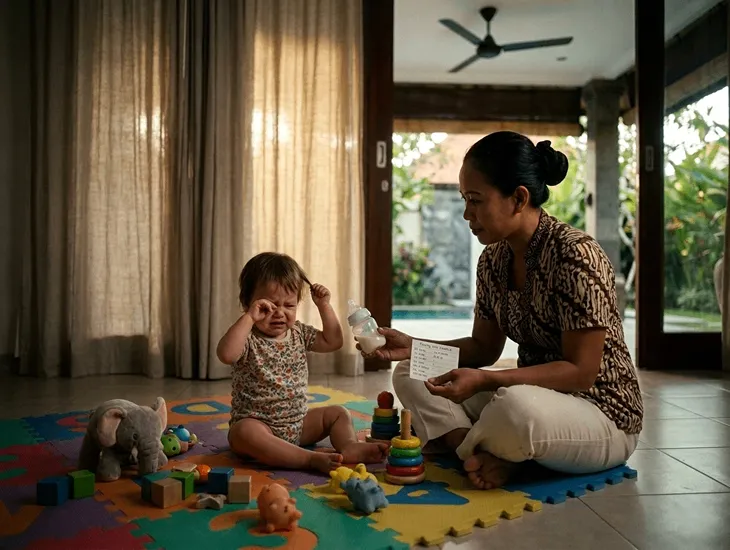
Baby Pulling Hair and Crying 2026 – infant stress signals and unmet needs, decoding hair‑pulling and sobbing, calm soothing techniques for expatriate families
author

Baby Pulling Hair and Crying: What It Means and How to Help

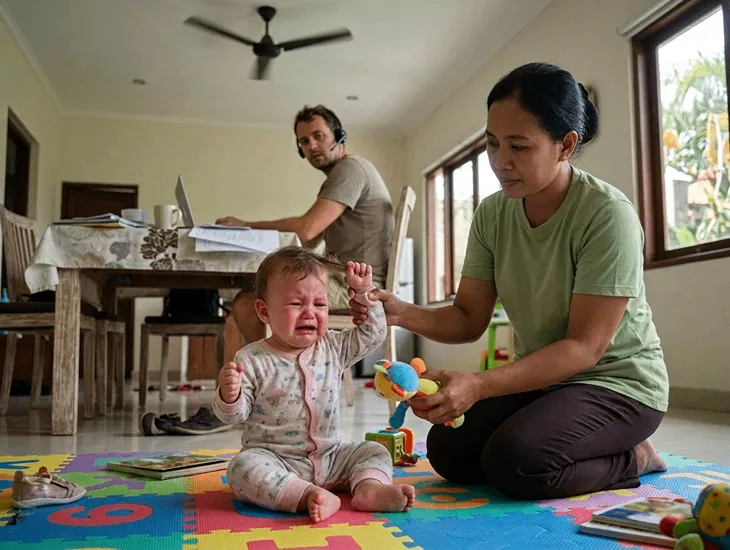
Expatriate parents feel overwhelmed when their infant acts out. Witnessing your child pull hair and sob causes deep anxiety. The sudden distress disrupts your household completely.

Balancing remote work with unpredictable infant behavior leaves you exhausted. The tropical heat amplifies frustration during intense emotional outbursts. You struggle to maintain focus during meetings.

Misinterpreting physical actions leads to ineffective responses and more tears. You search for clear answers while managing your career. The lack of sleep drains your mental clarity.

The Centers for Disease Control and Prevention states infants use physical actions to express unmet needs. Responsive care builds emotional regulation safely. Expert guidance removes the guesswork.

Decoding why your baby pulls their hair and cries transforms your routine. Understanding these natural behaviors helps you respond effectively. You can finally create a peaceful home environment.

Professional caregivers provide vital relief for expatriate families. They apply proven soothing techniques to manage infant stress calmly. This reliable support helps your child thrive continuously.

Understanding the Meaning Behind the Behavior

Child development experts explain that pinching or grabbing hair is entirely normal. Babies lack the verbal skills to communicate big feelings. They rely on physical actions to release internal tension.

Many infants twist their locks as a natural self-soothing mechanism. This action is remarkably similar to sucking a thumb or rubbing an ear. It provides comfort during stressful sensory moments.

Older toddlers might act out when they experience overwhelming frustration. They throw themselves backward and scream when they cannot express specific needs. This signifies communication barriers instead of deliberate defiance.

A calm caregiver treats these outbursts as simple communication cues. They scan the environment to identify the underlying problem quickly. They never view this natural reaction as naughty behavior.

Reacting with anger or loud punishments worsens the situation. Managing Baby Pulling Hair and Crying requires patient guidance to navigate intense emotions successfully. Consistent responses build long-term trust securely.

Identifying Triggers Like Fatigue and Hunger

 Identifying Triggers Like Fatigue and Hunger

Physical discomfort is the most common trigger for physical acting out. Overwhelming noise and bright lights easily overstimulate a young nervous system. Hunger and fatigue quickly lead to loud meltdowns.

Teething pain drives many babies to yank their own locks for distraction. The physical sensation redirects their focus away from aching gums. They use this sharp sensation to manage discomfort.

Babies frequently exhibit this specific behavior right before falling asleep. It serves as a physical release valve for built-up daily energy. This habit often resolves naturally by age three.

Trained domestic staff carefully monitor daily feeding schedules. They recognize early hunger signs before the crying begins. This proactive approach actively prevents severe sensory overload and tantrums.

Providing a quiet environment is essential for a peaceful afternoon. Dimming the lights reduces sensory input and promotes natural relaxation. These simple adjustments stop the physical outbursts before they start.
Recognizing Serious Medical and Emotional Red Flags

Most physical self-soothing is completely benign and temporary. Certain symptoms require an immediate professional medical evaluation. Parents must remain vigilant for signs of genuine developmental distress during these episodes.

Trichotillomania is a compulsive disorder involving repeated pulling and noticeable baldness. You must consult a doctor if the infant causes visible bleeding. This requires specialized behavioral intervention and medical care.

You should worry if the action is intense and highly persistent. Outbursts accompanied by missing motor milestones indicate underlying developmental concerns. Early intervention guarantees the best possible medical outcome.

A child avoiding physical touch or remaining withdrawn needs careful attention. Engaging exclusively in self-comforting behaviors instead of social interaction is a warning sign. Professional pediatric guidance is crucial.

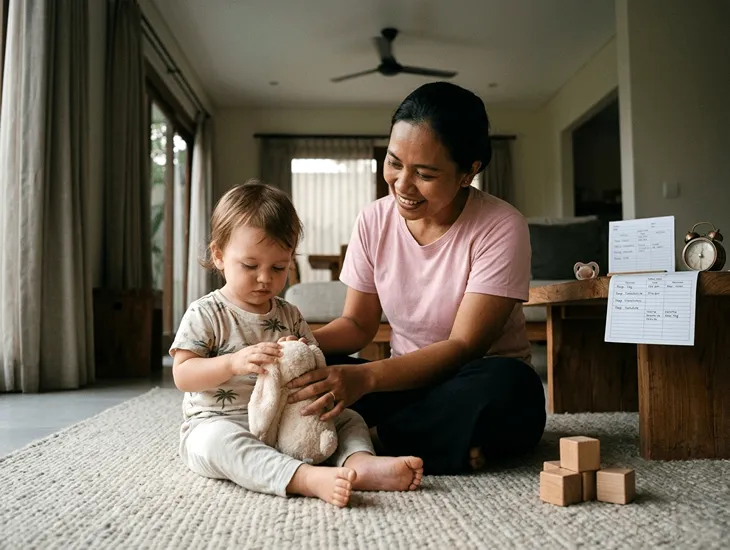
A trained assistant documents the frequency of these stressful episodes daily. They note the specific triggers and report any visible injuries immediately. This detailed log helps pediatricians formulate accurate diagnoses.

Practical Steps to Calm Your Upset Infant

Responding calmly is the most effective way to de-escalate the situation. Shouting inadvertently reinforces the negative action. A quiet and neutral tone prevents further emotional escalation in the household.

Gently release their grip while saying a simple command. Redirect their hands toward a much safer soothing item immediately. Offering a soft blanket provides a positive sensory alternative.

Checking basic physical needs is your next mandatory step. Ensure their clothing is comfortable and their diaper is completely dry. Addressing these fundamental needs eliminates the root cause of frustration.

Co-regulation helps the infant process their overwhelming internal feelings. Hold them close and use gentle rhythmic rocking to reduce distress. Singing a soft lullaby lowers their rapid heart rate naturally.

Whenever your infant exhibits this behavior, prioritize immediate safety. Reward positive touch with warm smiles and soft praise. Consistent responses eventually extinguish the unwanted physical behavior completely.

Real Story: Restoring Calm in a Seminyak Villa

Dion stood in his Seminyak kitchen, typing with one hand while balancing his screaming ten-month-old son. The baby’s small fists continuously grabbed and yanked at his own dark curls.

A half-written software update blinked on Dion’s monitor. He bounced on his heels, offering a bottle, but the infant arched his back and threw it across the tiled floor.

He noticed the baby gnawing fiercely on his knuckles between the sharp wails. Realizing teething discomfort was driving the physical outbursts, Dion needed immediate childcare assistance locally.

Dion quickly hired an experienced local caregiver through our website. Ayu arrived thirty minutes later, calmly washing her hands before taking the flailing infant into her arms securely.

She presented a chilled, textured silicone ring and hummed a low, steady rhythm. The baby stopped grabbing his curls, choosing instead to bite down hard on the cold ring.

The piercing screams dissolved into soft, rhythmic chewing sounds from the nursery. The expert intervention allowed Dion to finally sit down and submit his critical software update.

Building Healthier Soothing Habits Over Time

Baby Pulling Hair and Crying 2026 – emotional triggers and nap‑time adjustments, gentle hands, soothing comfort objects, calm childcare routines for anxious expatriate parents

Identifying specific emotional triggers is crucial for establishing long-term peace. Track exactly when these stressful outbursts occur during the day. Adjusting daily nap times often eliminates the underlying fatigue completely.

Encouraging alternative comfort strategies prevents the negative habit from taking root. Offer a clean pacifier if your pediatrician approves its usage. Stroking a soft stuffed toy provides excellent sensory feedback.

Teaching the concept of gentle hands is vital for older mobile toddlers. Model soft strokes on their arms and praise them warmly. Positive reinforcement encourages them to repeat this kindness.

Qualified childcare providers integrate these soothing habits into every shift. They maintain strict wind-down routines before every scheduled nap. This consistency helps the infant feel secure and relaxed.

Always seek professional behavioral support if the physical outbursts intensify. Early consultation provides immense relief for anxious expatriate parents. Expert guidance ensures your child develops healthy emotional coping mechanisms safely.

Vetting a Reliable Caregiver for Gentle Support

Hiring domestic help requires strict attention to their disciplinary philosophy. You must ask candidates how they handle severe infant tantrums. Look for responses emphasizing safety and gentle physical redirection.

A qualified candidate knows to check basic physical needs first. They should never suggest shouting or using physical punishment. Evidence-based care relies entirely on positive reinforcement and emotional co-regulation techniques.

Reputable agencies guarantee their staff undergo comprehensive background checks. They verify previous employment to confirm reliability and professional temperament. This thorough vetting provides ultimate peace of mind for expatriate families.

Ensuring the caregiver holds valid infant first-aid certification is non-negotiable. They must know how to respond safely during unexpected medical emergencies. Safety protocols protect your child when you are absent.

Observe their natural reactions to sudden crying during a trial shift. Consistency during high-stress moments is the true mark of a professional. Their calm demeanor will positively influence your infant.

Overcoming Cultural Differences in Child Discipline

Cultural interpretations of infant behavior vary significantly around the world. Some adults view grabbing as deliberate stubbornness or naughtiness. Child development experts confirm it is merely an exploratory coping mechanism.

Many international parents prefer gentle parenting models in their homes. These methods prioritize emotional validation alongside clear boundaries. Aligning these expectations requires direct communication with your domestic staff immediately.

You must state your household discipline rules clearly from day one. Explain that shaming or yelling at an upset infant is forbidden. A unified approach prevents the child from receiving mixed messages.

An experienced local assistant adapts to your specific cultural preferences. They respect your modern parenting guidelines while applying their extensive practical experience. This combination creates a deeply nurturing environment.

Providing a written response plan helps manage these intense physical outbursts. This reference document eliminates confusion during highly stressful moments. Open dialogue ensures continuous alignment and mutual respect daily.

FAQs about Baby Pulling Hair and Crying

Q: Why does my infant grab their own head?

A: They often use this physical action to self-soothe when feeling tired or overwhelmed.

Q: Should I punish my toddler for grabbing me?

A: No, experts advise using calm redirection and modeling gentle touch rather than punishments.

Q: When should I consult a doctor about this habit?

A: Seek medical advice if it causes bald spots, visible bleeding, or delayed motor skills.

Q: Can teething cause my child to act out?

A: Yes, teething pain creates physical discomfort, and the sharp sensation serves as a distraction.

Q: How can a babysitter in Bali help my family?

A: A trained caregiver implements consistent, gentle soothing routines to manage stress while you work.

Q: Does this behavior indicate a serious mental disorder?

A: Persistent pulling resulting in hair loss might indicate a condition requiring professional care.

Need help managing Baby Pulling Hair and Crying, Chat with our team on WhatsApp now!