

Review Us
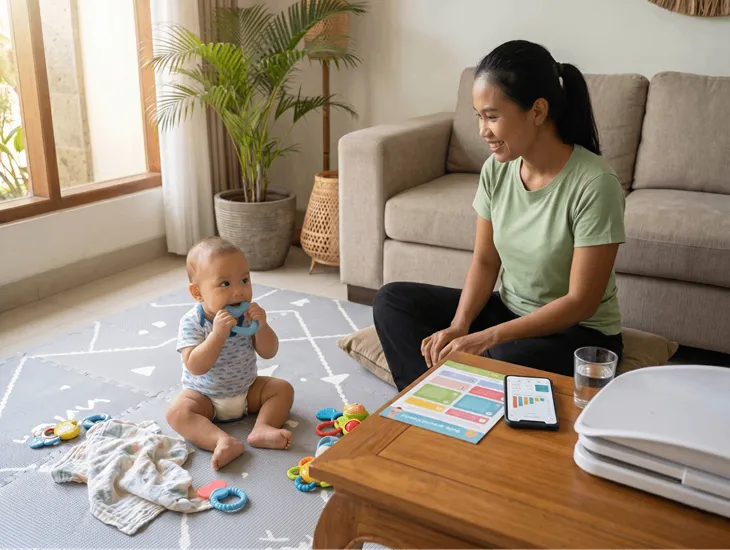
Growth Concerns in Babies in Indonesia 2026 – Professional caregiver observing an infant calmly in Bali
author-2

Baby Growth Concerns: Signs to Watch Without Panic

Expatriate parents often worry about infant weight gain. Tracking development in a foreign country is difficult when you lack a familiar support system.

Scale fluctuations trigger sleepless nights and parental exhaustion. This constant worry makes focusing on your remote career impossible. The daily pressure feels overwhelming.

Obsessing over charts ruins the joy of early milestones. You feel anxious instead of enjoying your family. This stress drains your energy.

Health guidelines from the National Institute for Health and Care Excellence advise tracking long-term patterns. Focus on steady progress instead of daily changes.

Learning the true signs of progress prevents panic. Understanding child development helps you maintain a stable home environment. You can manage worries calmly.

A professional Babysitter in Bali manages daily feeding schedules. This support ensures your child thrives while you focus on your business and resolve your worries.

Understanding Faltering Growth in Infants

Clinical guidance uses specific terms like faltering growth. This occurs when an infant gains weight much more slowly than expected. Understanding these true signs requires careful observation over time.

It is not necessarily a concern if an infant remains on a lower percentile. A baby on the third percentile can be completely healthy if physical progress is steady.

Medical professionals evaluate the complete clinical picture during routine checkups. They look for rapid weight loss or a persistent downward drop. A mismatch between weight and length is a significant indicator.

A professional Babysitter in Bali does not diagnose complex medical conditions. However, they are perfectly positioned to notice practical daily changes. They observe if clothes suddenly fit loosely or feeds drag on.

Dedicated caregivers notice if an infant becomes unusually sleepy quickly. Reporting these subtle changes to parents early is incredibly valuable. Prompt communication allows parents to address minor issues before they escalate.

Percentiles and Baby Growth Concerns

Childcare in Bali 2026 – Caregiver recording infant feeding times and amounts in a daily logbook

Infants experience rapid physical development during their first few months. This rapid pace naturally slows down toward the end of the first year. Understanding this timeline prevents unnecessary Baby Growth Concerns.

Crossing percentile lines initially can still be perfectly normal behavior. Short dips happen during minor illnesses or active teething phases. Changing a feeding method can also cause a safe weight plateau.

Medical guidelines warn against weighing infants too frequently at home. Tiny fluid fluctuations create immense and unnecessary anxiety for parents. Daily weighing offers no clinical benefit and fuels parental stress.

Monthly average charts show wide ranges of normal physical variation. A professional caregiver can help maintain normal routines. Recognizing this wide variation helps parents relax and enjoy parenthood.

Watch for overall behavioral patterns instead of obsessing over grams. An alert and highly active infant is generally a healthy one. Trusting the broader picture reduces stress for the busy household.

Critical Weight and Feeding Red Flags

Certain signs require prompt attention from a qualified medical professional. Persistent difficulty during feeding is a primary red flag. Poor latching or coughing during feeds needs immediate clinical evaluation for safety.

Feeds that regularly take more than forty minutes are concerning. Very few wet diapers signal potential dehydration or severe underfeeding issues. Poor alertness is another symptom that absolutely cannot be ignored.

Ongoing slow weight gain combined with frequent vomiting is dangerous. Persistent diarrhea accelerates weight loss and requires urgent pediatric care. Never ignore these severe physical symptoms in a young infant in Indonesia.

Slow linear height growth requires professional assessment from a doctor. Head circumference must keep pace with overall body weight continuously. Sudden changes in these trajectories warrant an immediate doctor visit.

Missing multiple developmental milestones points to broader issues requiring attention. A dedicated caregiver will notify you of these changes quickly. Early interventions are crucial when these serious neurological signals appear.

Practical Monitoring and Medical Advice

Weighing your infant should follow specific clinical intervals for accuracy. Weekly weighing is sufficient for the first six months. This frequency drops to fortnightly until the infant reaches their first birthday.

Over-monitoring increases anxiety without providing better health outcomes for families. Only weigh more often if a doctor explicitly recommends it. Trust scheduled medical checkups to catch any hidden issues reliably.

Contact a doctor promptly if daily feeding difficulties persist consistently. Rapid weight loss is a true medical emergency for infants. Extremely lethargic behavior is a clear sign that professional help is required.

Slow development often stems from treatable feeding issues and habits. Severe reflux or latch problems are very common early hurdles. A skilled caregiver manages these specific feeding hurdles safely.

Never attempt to evaluate medical charts independently without professional guidance. The role of parents is to notice behavioral changes carefully. Asking questions early is the best way to handle Baby Growth Concerns safely.

Real Story: Tracking Milestones Safely in Sanur

Bernard, a 38-year-old from Singapore, sat in his Sanur villa. His four-month-old son, Leo, refused a bottle again. The child pushed the nipple away, whimpering softly while turning his head away.

Leo’s linen rompers hung loose around his thighs. Bernard watched his child reject food while feeling a tight knot of dread. His mind spun rapidly with worst-case medical scenarios.

Bernard hired Putu, a professional Babysitter in Bali, to support the household. Putu arrived and established a calm environment. She dimmed the lights, softened the room fan, and reduced kitchen noise.

Putu noticed Leo became tired during feeds because of the bottle nipple flow. She selected a wider latex teat, allowing him to feed easily without exhausting his energy.

Putu kept a strict daily notebook tracking diaper weights and sleep. Her quiet patience transformed the tense villa, letting Bernard complete his workload without constant interruptions.

The pediatrician reviewed the detailed feeding log and confirmed Leo was thriving on the third percentile. Bernard finally relaxed, having established a structured routine with Putu’s expert help.

How a Babysitter in Bali Supports Feeding

Pediatrician in Bali 2026 – Parent consulting pediatrician with healthy infant in a local clinic

A reliable caregiver supports consistent daily feeding routines without fail. They follow your specific plans for formula volumes and timing. Accurate recording of what the infant eats is a critical task.

Professional caregivers use basic positioning techniques expertly during every feed. Proper pacing helps infants with reflux feed much more comfortably. This physical support prevents vomiting and encourages better digestion.

Enabling age-appropriate physical activity is vital for healthy infant development. Caregivers offer supervised floor play to strengthen core muscles safely. Supporting these motor milestones goes hand in hand with physical development in Bali.

Protecting daytime naps is another crucial responsibility for your caregiver. Good sleep actively supports healthy physical regulation and a stable mood. An overtired infant will struggle to feed properly during the evening.

Simple daily notes help doctors see the bigger health picture. Logging sleep habits and mood changes provides valuable medical context. This reliable documentation is a powerful tool against Baby Growth Concerns.

Managing Cultural Differences and Parental Anxiety

Cultural expectations regarding infant size differ widely across the globe. Many local communities view extreme chubbiness as the only health indicator. This cultural bias can easily confuse new expatriate parents in Indonesia.

Clinical guidance stresses that steady progress is far more important. Proportionate physical development is a better metric than sheer size. Understanding this medical reality helps parents deflect unhelpful comments from well-meaning friends.

International parents often overreact to minor chart dips during checkups. Focusing on short-term changes creates a toxic environment of anxiety. Healthy infants who are naturally small often remain on lower percentiles safely.

Abrupt behavioral changes are what truly drive serious medical concern. A sudden lack of energy is far more telling than weight. Trusting clinical guidelines protects your mental health while raising children in Bali.

Your Babysitter in Bali should align with your pediatrician perfectly. They must avoid making offhand comments about the infant’s weight. Consistent support is the absolute best way to handle Baby Growth Concerns.

Screening Caregivers for Infant Health Awareness

Interviewing candidates requires specific questions about infant care and safety. Discussing health indicators ensures they understand your expectations. Look for answers that emphasize calm observation and clear written logs.

Inquire what they would do if the infant seemed unusually lethargic. The correct answer always involves contacting the parents promptly. Caregivers should never make independent medical decisions regarding your child’s health.

Professional agencies pre-screen candidates for these exact core competencies thoroughly. A professional caregiver often holds valid pediatric first aid certificates. This thorough vetting provides essential peace of mind for expatriate parents.

A trial shift is highly recommended before a permanent hire in your home. Observe how the caregiver handles a fussy infant feeding session. Their patience and pacing techniques will reveal their true professional skill.

Clear communication prevents misunderstandings regarding critical health protocols at home. Provide detailed written instructions for emergency contacts and local clinics. This preparation ensures your child is always protected during your time in Indonesia.

FAQs about Baby Growth Concerns​

Q: What defines slow weight gain in infants? 

A: It is when weight gain is consistently slow, crossing centile lines downward over time.

Q: How often should I weigh my healthy infant? 

A: Weigh weekly for the first six months. Over-weighing causes unnecessary parental anxiety.

Q: What are the main red flags during feeding? 

A: Poor latching, coughing, tiring quickly, or feeds lasting more than forty minutes.

Q: Can a Babysitter in Bali diagnose health issues? 

A: No, they only track feeding logs, observe behavior, and report changes to parents promptly.

Q: Why do infants sometimes drop percentiles safely? 

A: Illnesses or teething can cause temporary dips without raising Baby Growth Concerns.

Q: When should I seek immediate medical advice? 

A: Seek help for rapid weight loss, severe lethargy, regression, or signs of dehydration.

Need help managing Baby Growth Concerns, Chat with our team on WhatsApp now!