
Basic Etiquette for Children: How to Teach Manners That Matter
Teaching manners to your children is a challenging but rewarding responsibility. You want them to grow into respectful individuals who understand kindness and consideration for others in their daily lives.
Constant interruptions, forgotten polite words, and public outbursts create significant stress for parents. These small hurdles turn what should be joyful family moments into incredibly draining experiences for everyone involved today.
Inconsistent rules only confuse your little ones. If children receive mixed messages about how to behave, they struggle to understand when and why manners are important in various social situations.
The Michigan State University Extension suggests consistency is vital for lasting habit formation. Kids thrive when parents, family members, and caregivers share the same expectations for polite behavior everywhere.
Our agency trains every caregiver to reinforce your specific household rules and maintain the high standards you set at home. We ensure your child learns social skills in every environment they visit.
Hiring a professional Babysitter in Bali provides vital consistency for your growing family. You gain peace of mind knowing your values are respected and modeled by our team during every shift.
Table of Contents
Defining Manners That Matter
Understanding Basic Etiquette for Children is not just about following a list of strict rules. It is about fostering social awareness, kindness, and genuine respect for the feelings of people around them.
The core elements include polite language like please and thank you. It also involves patience, such as waiting your turn and not interrupting adults. These are essential social skills.
Good manners are a way of life rather than an occasional performance. They help your children build strong friendships, navigate school environments, and demonstrate empathy toward others in the community.
Focus on practical actions instead of abstract behavior. Encourage simple habits like washing hands before meals, covering mouths when coughing, and greeting others warmly when they arrive at your home.
When you frame manners this way, they become natural habits. Your children start to see that being polite is simply the best way to interact with the world and connect with peers.
Modeling Respectful Behavior
Modeling behavior is the most effective way to teach Basic Etiquette for Children. Children watch everything parents do. When you use polite language consistently, they mirror your style, creating a foundation for respectful interaction.
Make sure you say please and thank you when addressing your child. When you apologize for a mistake, your children learn accountability. This shows them that everyone is held to high standards.
Your daily interactions with service staff or neighbors also set a strong example. Treat everyone with kindness and dignity. Your children observe these interactions closely, learning how to treat others well.
If you interrupt someone, apologize by saying excuse me. This simple gesture teaches your child that their words do not hold more importance than others. It demonstrates respect in real time.
Consistency is key to success. When you practice what you preach, your children understand the importance of these behaviors. They view manners as a shared value rather than a harsh requirement.
Teaching Age-Appropriate Etiquette
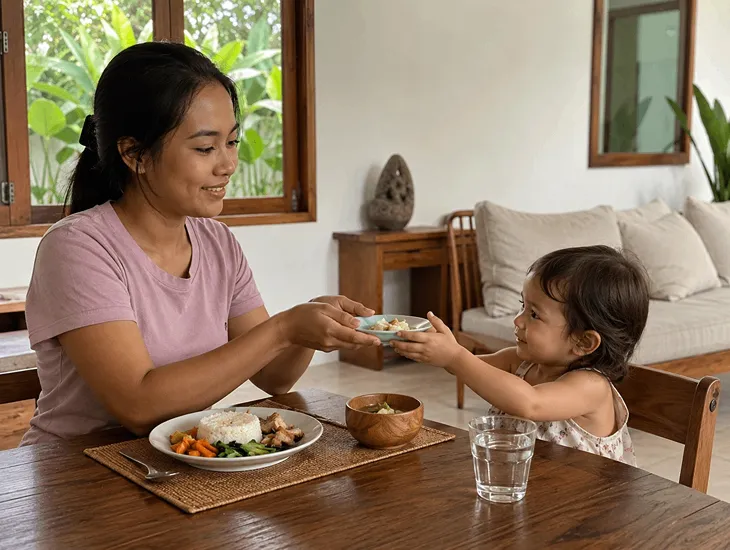
Expectations for Basic Etiquette for Children must match your child’s developmental stage. Younger children sit politely for short periods. Demanding perfection from a toddler leads to frustration for both parents and children.
Start small in the early years. Focus on simple polite words like please, thank you, and sorry. Teach them to wait briefly before speaking and to share toys during their play.
Primary years allow for more complexity. Older children can listen without interrupting for longer. They can practice using indoor voices and respecting personal space in public or at school events.
As they grow, introduce more advanced social tasks. This includes writing thank you notes, phone etiquette, and appropriate behavior during formal meals. Gradual progression helps them master these skills without anxiety.
Always prioritize progress over perfection. Gentle guidance is far more effective than demanding strict compliance. Your goal is to instill a deep, lasting appreciation for respectful conduct as they mature.
Building Habits Through Daily Practice
Practicing Basic Etiquette for Children should be fun, not a chore. Use role-play scenarios to rehearse social situations. Pretend you are at a restaurant or a tea party to practice polite request phrases.
Reading books about social behavior is also very effective. Stories offer a safe way to discuss etiquette. Ask your child what the characters did well and what they could improve.
Games make learning memorable. Create a magic word game for using polite terms. Praise your children specifically when you catch them using good manners, which reinforces the positive behavior instantly.
Consistency across different settings is essential. Your rules for the dinner table should be the same at a restaurant. This makes habits stick because they are not just occasional performances.
Create opportunities to practice at home. Encourage your child to greet family members and help with small tasks. These daily moments build the foundation for excellent social skills in the future.
Real Story: A Social Breakthrough
Wei, a Chinese architect, sat at his desk in Pererenan, trying to finish a proposal. The humid afternoon heat made his five-year-old daughter, Mei, restless and prone to constant interruptions.
He struggled to focus as she grabbed his pens and tugged at his arm during client calls. The constant frustration made him feel like he was losing his patience entirely.
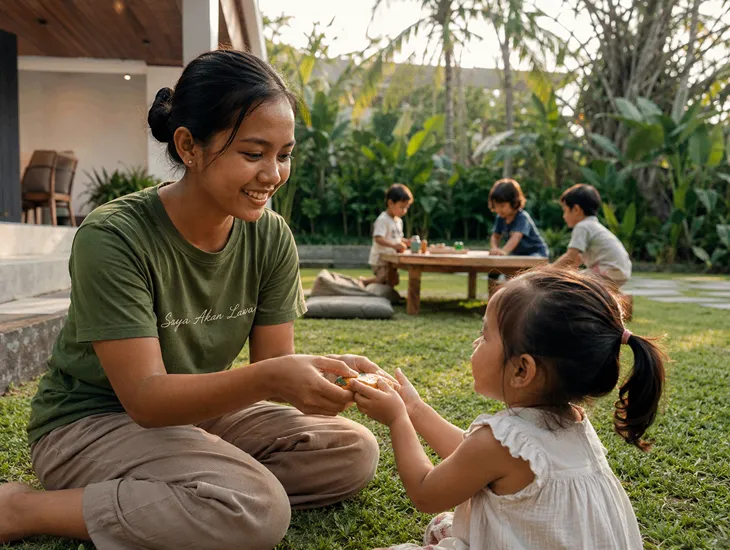
He contacted our agency to bring in a professional Babysitter in Indonesia. The caregiver arrived, greeted Mei with a warm smile, and immediately suggested they read stories in the garden.
The assistant used gentle role-play games to teach Mei Basic Etiquette for Children, specifically how to wait patiently while daddy worked. She made the process feel like an exciting game.
Wei finally finished his report, feeling a wave of relief as he heard them giggling outside. He realized that bringing in expert help was the turning point he desperately needed.
Consistent Guidance With Caregivers
Consistency is vital when your child spends time with others. If parents expect politeness but caregivers accept rudeness, children receive mixed messages. This makes building long-term habits very difficult for them.
Our agency trains every caregiver to reinforce your specific household rules and maintain the high standards you set at home. We brief them on everything from table etiquette to addressing adults.
Your Babysitter in Indonesia uses the same calm, gentle prompts you use at home. This shared approach reinforces your values. It ensures that manners become a habit, not a sometimes thing.
We encourage our staff to praise good behavior immediately. By noticing when a child says thank you, our caregivers strengthen the habit. This positive reinforcement is a cornerstone of our service.
Hiring a professional who understands your etiquette goals is a game changer. It means your child receives stable, consistent guidance, even when you are busy or out of the house.
Avoiding Common Teaching Pitfalls in Bali
Avoid shaming your child in public. Harsh corrections or humiliation only create anxiety. If your child forgets their manners, use a brief, calm prompt like, “What do you say now?”
Do not over-correct them in front of others. This embarrasses the child and makes them fear social settings. Address the behavior quietly and privately if you need to discuss a mistake.
Never force manners on a tired or hungry child. A child who is struggling with physical needs cannot be expected to demonstrate social grace. Address their needs first, then practice manners.
Avoid comparing your child to others. Every child develops social skills at their own pace. Focus on your child’s progress rather than the perceived perfection of other children you might meet.
Stay calm and patient throughout the process. Your mood affects how they learn. A patient, understanding approach ensures your child feels safe and eager to try again next time.
Encouraging Social Development in Bali
Bali offers unique opportunities to practice social awareness. Encourage your children to greet local neighbors with a smile. This is a simple but beautiful way to show community respect.
Teach them to be mindful of others in busy public spaces. Whether at a restaurant or a beach club, encourage them to use indoor voices and respect personal boundaries.
Explain the importance of being a good guest in Indonesia. Respecting the culture and the people they meet is the ultimate form of manners. This is a lesson that lasts forever.
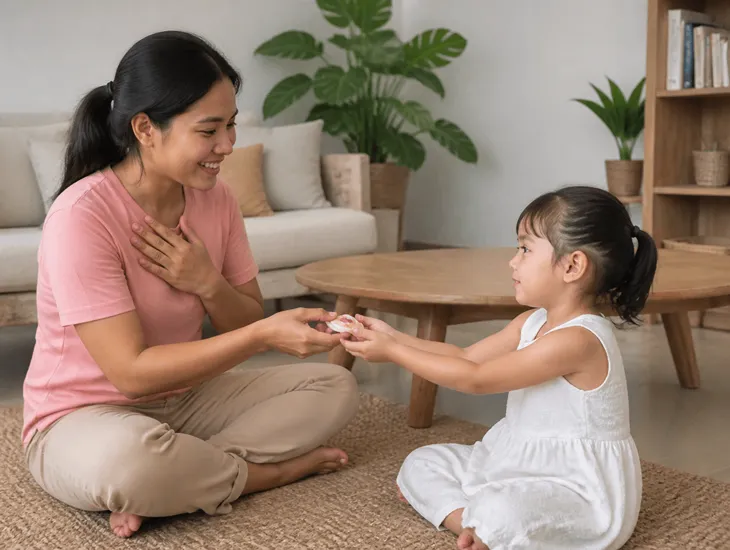
Local customs often involve specific ways to offer items or greet people. Teach your child to use both hands or a slight bow. These gestures show deep respect for local traditions.
By practicing these values, your children learn to be global citizens. They gain confidence in diverse settings. Good manners are the key to building bridges wherever your family decides to go.
FAQs about Basic Etiquette for Children
Q: What is the best age to start teaching manners?
A: You can start as soon as they can talk, focusing on simple “please” and “thank you.”
Q: How do I handle interruptions?
A: Use a hand signal or a calm reminder to wait until the current speaker finishes.
Q: Should I correct my child in public?
A: Use gentle, private prompts rather than public shaming to avoid causing embarrassment.
Q: Can a sitter help with etiquette training?
A: Yes, our caregivers are trained to model and reinforce the respectful habits you value.
Q: How do I stay consistent?
A: Ensure all caregivers and family members use the same polite phrases and rules every time.

