
8 Key Preparations Before Starting Potty Training in Bali
Starting the transition from diapers to the toilet can feel overwhelming for parents living in a tropical climate. The heat and humidity of Indonesia present unique challenges that differ from cooler home countries.
Families often struggle with timing the start of this developmental milestone correctly. If you begin before your child is truly ready, the process becomes a stressful battle of wills that leads to frustration.
The constant outdoor activities in the sun mean children drink more fluids than usual. This leads to more frequent bathroom needs, which can be difficult to manage while exploring local markets or beaches.
Public facilities in the region might not always meet the standards you expect for a toddler. Navigating basic or squat-style toilets during an emergency adds another layer of difficulty to your daily routine.
Proper potty training begins with recognizing physical and cognitive readiness signals. Using international pediatric standards ensures you launch your campaign at the perfect time for your child.
Equipping yourself with the right gear and a solid routine creates a path to success. These eight preparations will help you navigate the process smoothly while enjoying the beautiful island lifestyle in 2026.
Table of Contents
Confirming Developmental Readiness Signals
Before you buy any gear, you must ensure your child shows physical signs of being ready. They should be able to stay dry for at least two hours at a time or during naps.
If they frequently wake up with a dry diaper, their bladder control is likely strong enough to start. This physiological milestone is much more important than the child’s actual age or any social pressure.
A child who is ready will often show visible discomfort when their diaper is wet or soiled. They might pull at the material or explicitly ask for a clean change after an accident occurs.
This awareness indicates they are starting to connect the physical sensation with the result. Encouraging this connection is the first step toward successful potty training in Bali for any active toddler.
Cognitive readiness includes the ability to follow simple instructions and a desire to copy adults or older siblings. They should be able to sit down and pull their own pants up or down easily.
If these signs are absent, it is often better to wait a few months rather than forcing the issue. Patience now prevents a long and difficult struggle for both the parent and the child.
Gearing Up for Tropical Heat and Humidity
The humid weather requires clothing that is loose and very easy for a child to manage alone. Avoid complex buttons, zippers, or multiple layers that can slow down a quick trip to the bathroom.
Simple elastic-waist shorts are the best choice for everyday wear at your villa or the local park. This allows your child to gain independence and confidence as they learn to handle their own needs.
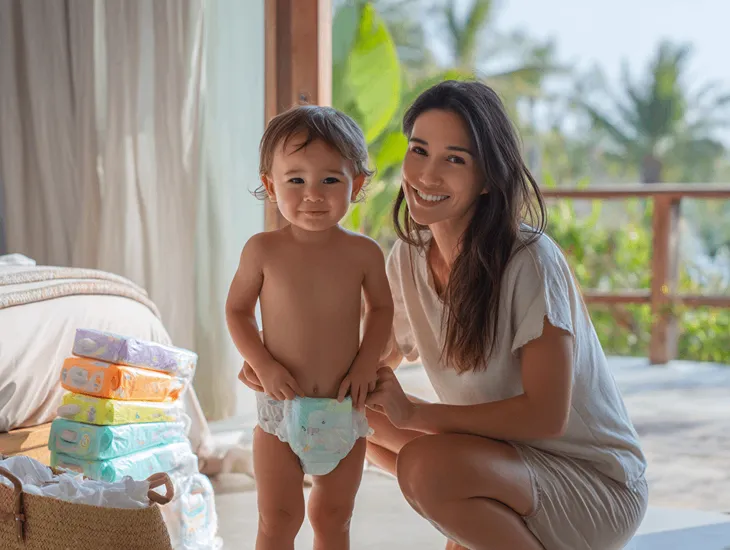
Switching from diapers to cotton training pants helps children feel the sensation of wetness immediately after an accident. This feedback loop is essential for learning the difference between being dry and being uncomfortable.
Keep a large supply of extra underwear ready because accidents will happen frequently during the first few weeks. Frequent laundry is a standard part of the process when living in a tropical environment like Indonesia.
At the beach or pool, always have a quick-change outfit and a thin swim diaper ready in your bag. The transition from water play to the toilet needs to be as fast as possible for toddlers.
Being prepared for these moments prevents messes in public areas and keeps the experience positive for everyone involved. Planning ahead is the key to maintaining your sanity during these active island days.
Setting Up a Predictable Home Routine
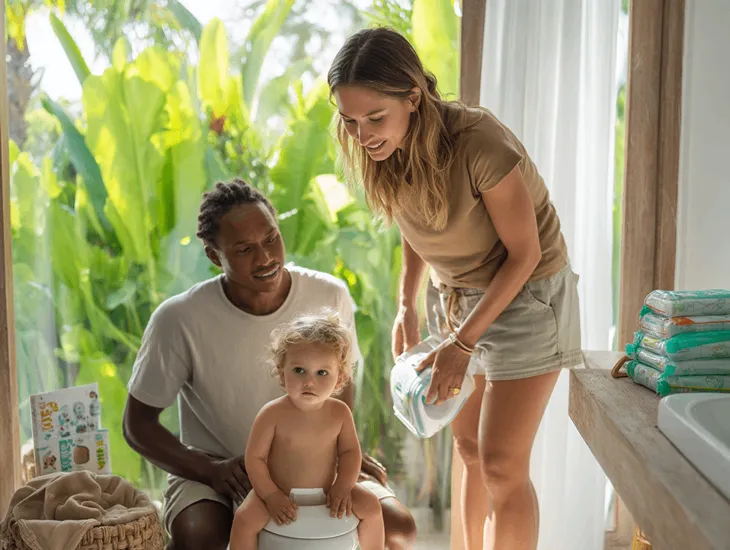
Establishing a “potty base” in a quiet and easily accessible bathroom helps your child feel safe and secure. Use a child-sized potty or a stable toilet-seat reducer with a sturdy step stool for them.
Consistency in the location helps the child understand exactly where they need to go when the urge arises. This setup should be a permanent fixture in your rental home during the initial training phase.
Scheduled breaks every thirty to sixty minutes are vital for preventing accidents before they happen during the day. Try to time these breaks around waking up, meals, and before heading out for a drive.
Using a timer can make these sessions feel like a routine part of the day rather than a chore. Positive reinforcement and praise for every successful attempt will keep your child motivated to keep trying.
Consistency in the location helps the child understand exactly where they need to go when the urge arises. This permanent fixture ensures a stable environment for successful Potty Training in Bali at home.
It is helpful to let your child choose their own potty or underwear with fun character designs. This gives them a sense of ownership and excitement about the transition they are making in their life.
When they feel involved in the process, they are much more likely to cooperate with the new routine. Making the experience fun and rewarding is a proven strategy for long-term success with toddlers.
Preparing for Out-and-About Accidents
Exploring rice fields or busy markets requires a specialized kit to handle any unexpected “oops” moments that occur. Always carry spare underwear, wet wipes, and hand sanitizer in a waterproof bag for your daily outings.
A small plastic bag for soiled clothing is also essential for keeping your main diaper bag clean and dry. These simple supplies allow you to handle accidents discreetly and quickly without ending your fun day.
A portable travel potty is a lifesaver for long car rides or visits to areas with limited facilities. Many models fold down easily and can be used in the back of a car or a quiet corner.
This provides a familiar and clean option for your child when local toilets might be too intimidating or dirty. It ensures that the training process continues even when you are far from your home base.
Teaching your child to signal urgently when they feel the need to go is a critical skill for safety. Practice the vocabulary or signs they should use when you are in a crowded or unfamiliar place.
This communication helps you react quickly and find the nearest suitable spot before an accident happens in public. Clear signals reduce the stress for both the child and the parent during your travels.
Navigating Local Toilets and Mindset Tips
Many public facilities in Indonesia are squat-style, which can be confusing for a child used to sitting down. If a toilet is too dirty or difficult, using your portable potty is always a valid and safe alternative.
Always supervise your child closely to ensure they don’t touch floors or handles in public restrooms for hygiene. Keeping a calm and positive attitude during these challenges helps your child stay relaxed and focused.
Heat and increased fluid intake mean your child will need to go much more often than in cooler climates. More water and coconut water lead to more frequent bathroom trips throughout the long, sunny island afternoons.
Treat these frequent trips as extra practice opportunities rather than failures or inconveniences for your busy schedule. Staying hydrated is vital for health, even if it means more stops at the toilet.
If your child starts to regress during a move or a big trip, it is perfectly fine to pause. High-stress environments can make potty training in Bali more difficult for sensitive children who need a routine.
Punishment for accidents should always be avoided, as it only creates anxiety and further delays the learning process. Maintaining a supportive and patient mindset is the most important tool you have as a parent.
Training a Nanny in Bali for Consistency
If you employ a local caregiver, it is essential that they follow the exact same routine as you. Explain the timing of the scheduled breaks and the specific words your child uses to signal their needs.
Consistency across all caregivers prevents confusion and helps the child learn the new habits much faster. A professional Nanny in Bali can be a great ally in maintaining the schedule while you work.
Make sure your caregiver understands the importance of positive reinforcement and never using pressure or shame for mistakes. Provide them with the same supplies and gear so they can handle accidents effectively while they are out.
Clear communication between parents and nannies ensures that the training remains a cohesive and successful team effort. This partnership is a key advantage of living on the island for many international families.
Ask your caregiver to keep a simple log of successful trips and accidents during the day for your review. This data helps you identify patterns and adjust the schedule to better suit your child’s physical needs.
It also allows you to celebrate progress together and stay aligned on the goals for the upcoming week. Working together ensures a smooth transition and a happy, confident child who is ready for the toilet.
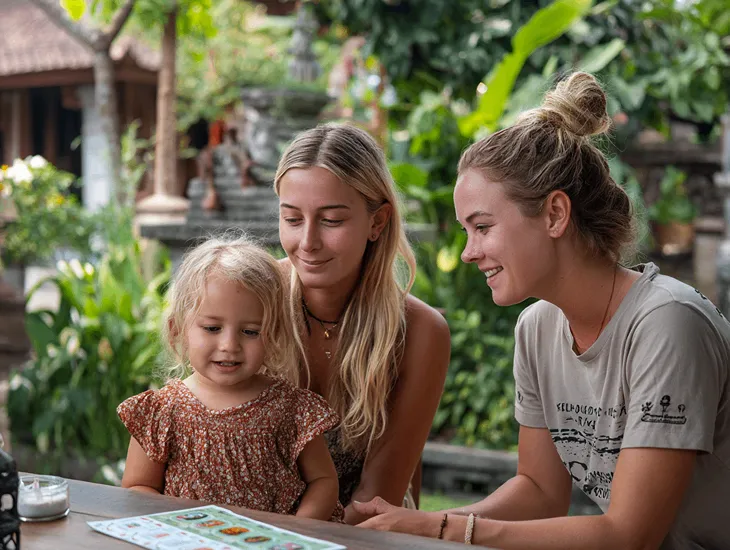
Meet Chloe, a digital nomad from Australia living in the lush greenery of Ubud with her three-year-old daughter. When they first started, Chloe struggled to find a rhythm because they were always out exploring local waterfalls.
The humidity in the jungle and the long motorbike rides made traditional training feel impossible and messy for her. She used bali-nanny.com to find a caregiver who could implement a strict “potty check” every forty minutes.
The smell of incense and the sound of distant Gamelan music became the backdrop to their daily routine in the villa garden. Within two weeks, her daughter was confidently using the toilet and signaling her needs clearly.
Managing Fluid Intake and Hydration Levels
Staying hydrated is the top priority for health when living in the intense tropical sun of Indonesia. You must provide constant access to water or diluted fruit juices to prevent dehydration and heat exhaustion.
However, you should expect that this high intake will lead to a very full bladder and frequent bathroom visits. Managing this balance is a core part of successful potty training in Bali during the summer months.
Encourage your child to take small, frequent sips of water throughout the day rather than drinking large amounts at once. This helps keep their energy levels stable and makes their bathroom needs more predictable for the caregiver.
It is also a good habit for their general health and helps them stay cool in the tropical environment. Proper hydration supports every physical process, including the development of bladder control and awareness.
Avoid giving your child sugary sodas or caffeinated drinks, as these can irritate the bladder and cause more urgency. Stick to plain water, coconut water, or milk to keep their system running smoothly and predictably.
These healthy choices reduce the risk of sudden, difficult-to-manage urges that often lead to accidents in the car. Focused nutrition is a powerful partner in the journey toward full bathroom independence for kids.
Handling Regressions During Travel Transitions
Travel transitions like moving to a new villa or flying often cause temporary setbacks. Maintaining consistency during these shifts prevents significant delays in Potty Training in Bali for your toddler.
Travel transitions, such as moving to a new villa or flying, often cause temporary setbacks in the process. A child might suddenly start having accidents again after weeks of success due to the change in environment.
This is a normal part of development and should be handled with extra patience and understanding from all adults. Going back to basics for a few days can help the child regain their confidence quickly.
Keep the routine as consistent as possible, even when you are staying in a hotel or a new area. Bring the familiar potty or seat reducer from home to provide a sense of security and continuity. Small comforts like a favorite book or toy during bathroom time can also help ease the transition for them. Minimizing the impact of the change allows your child to focus on their training goals.
If the regression persists for more than a week, it might be a sign that the child needs a break. There is no shame in returning to diapers for a short period during a particularly stressful transition or trip.
You can always restart the process once you are settled back into a stable and predictable home environment. The goal is long-term success, not meeting a specific deadline on the calendar for training.
FAQs about Potty Training in Bali
Q: Is it easier to train kids in a hot climate?
A: The heat allows for lighter clothing, which can simplify the physical part of the process.
Q: Should I use a potty or a seat reducer?
A: Many families prefer a portable potty for travel and a seat reducer for the villa.
Q: How do I handle squat toilets in public?
A: Use a portable travel potty if your child is not comfortable using the squat-style facilities.
Q: Does potty training in Bali take longer than in other countries?
A: The timeframe is the same, but you may need more bathroom breaks due to hydration.
Q: Can a local nanny help with the training?
A: Yes, a Nanny in Bali can be very effective if they follow your specific routine.
Q: What are the best snacks during training?
A: High-fiber local fruits like papaya help prevent constipation, which can interfere with the training process.

