
Review Us
Early Childcare 2026 – Educational games, pool safety supervision, and creative play in Bali
author

Why Baby Development Activities in Bali Matter for Families

Raising an infant overseas presents unique challenges for foreign parents. The tropical heat frequently disrupts established routines, while navigating unfamiliar environments creates logistical friction. Maintaining a consistent early learning schedule is difficult amidst the daily requirements of island living.

Consequently, many parents rely on passive entertainment indoors. This lack of structured stimulation during the critical growth phase can delay cognitive and motor milestones. The environment pushes families toward increased screen time. Without interactive playtime, children miss opportunities to develop fine motor skills and robust language comprehension.

Addressing this need requires proactive intervention strategies. The World Health Organization emphasizes that nurturing care forms the foundation for optimal brain growth during the first three years. Integrating structured baby development activities in Bali into daily routines solves this problem. A professionally trained babysitter actively engages your child, ensuring they receive high-quality cognitive stimulation at home.

The Global Importance of Early Stimulation

Scientific consensus highlights the rapid pace of early brain growth. During the first three years, an infant’s brain forms millions of neural connections every second. This establishes the physical foundation for future cognitive abilities. Responsive caregiving is the primary catalyst for this rapid development.

Warm, consistent interactions involving eye contact and gentle speech build secure attachments. The Nurturing Care Framework underscores the necessity of early learning opportunities. Providing safe environments where infants can actively explore their surroundings improves language acquisition and complex social skills.

Early stimulation reduces the risk of developmental delays. Regular interactive play ensures children reach their physical and cognitive milestones consistently on schedule. A highly trained babysitter understands that daily interactions, from feeding to diaper changes, represent valuable opportunities to encourage early learning.

National Guidelines for Child Development

Pediatric Guidelines 2026 – Early stimulation, toddler milestones, and structured play in Bali

Indonesia maintains comprehensive national guidelines for early childhood development. The Ministry of Health mandates regular monitoring of growth and encourages caregivers to provide age-appropriate stimulation. These structured guidelines integrate essential nurturing care with proper nutrition.

Early intervention at the primary healthcare level is crucial for detecting potential developmental delays. Implementing these standards within the home environment is necessary for consistent growth. Parents are advised to incorporate responsive play rather than relying solely on formal evaluations during scheduled pediatric visits.

However, busy families struggle to maintain consistent daily stimulation. Balancing professional obligations with proactive childcare often leaves parents exhausted, leading to unintentional gaps in learning routines. A professional babysitter who understands national development guidelines ensures that interactive play remains a consistent priority.
Core Elements of Baby Development Activities

Effective early learning requires highly specific, age-appropriate interventions. For infants under six months, daily supervised tummy time strengthens critical neck and upper-body muscles safely. Caregivers must engage in continuous verbal interaction throughout the day. Talking and singing stimulate crucial early language processing centers.

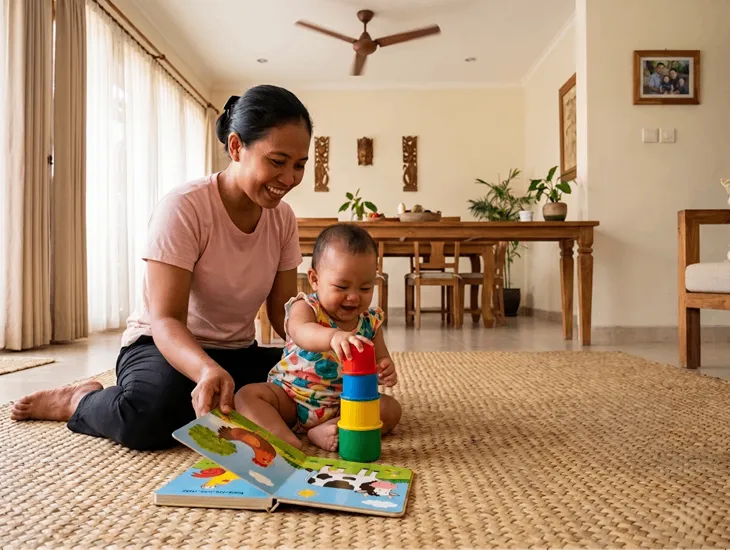
Between six and twelve months, infants begin active exploration. Supervised floor play encourages rolling and sitting, while reaching for safe toys helps develop an understanding of cause-and-effect relationships. Sensory experiences become increasingly important for cognitive growth during this stage. Exploring varied textures accelerates fine motor skill development.

Toddlers between twelve and eighteen months benefit from more advanced interactions. Naming body parts through songs and engaging in pretend play fosters vocabulary expansion. Practicing stacking safe objects refines hand-eye coordination and spatial reasoning precisely during this active toddler phase.

Why the Tropical Environment Requires Adaptability

The unique climate presents specific challenges for active families. Intense heat and high humidity frequently discourage extended outdoor play. This limits a child’s exposure to diverse sensory environments. Busy roads and a lack of accessible sidewalks further restrict safe physical movement.

Without safe outdoor spaces, families may inadvertently rely on passive indoor activities or excessive screen time for daily entertainment. Official child-health guidance explicitly warns against prolonged periods in strollers. Infants and active toddlers require extensive opportunities for unhindered floor exploration to develop essential core strength.

A trained babysitter mitigates these environmental restrictions effectively. They understand how to modify active play to suit indoor environments safely. Implementing adaptable baby development activities in Bali guarantees that the tropical climate never hinders a child’s fundamental need for active play.

The Babysitter's Role in Early Learning

A professional babysitter provides far more than mere supervision. They act as dedicated early learning facilitators, weaving targeted developmental exercises into the natural rhythm of the child’s day. Caregivers receive specialized training in nurturing care principles to recognize subtle behavioral cues.

Feeding times and strict nap routines become valuable learning opportunities. A trained professional uses these quiet moments to engage in gentle sensory play or read engaging picture books. Resort nanny programs frequently emphasize the importance of structured activities to ensure children remain stimulated.

Professional caregivers facilitate safe social interactions confidently. They can safely escort toddlers to vetted drop-in playgroups, encouraging essential early socialization while parents manage their commitments. Having a dedicated professional ensures parents never have to rely exclusively on formal preschools.

Real Story: Supporting Growth in Pererenan

Sensory Play 2026 – Babysitter training, early development activities, and safe care in Bali

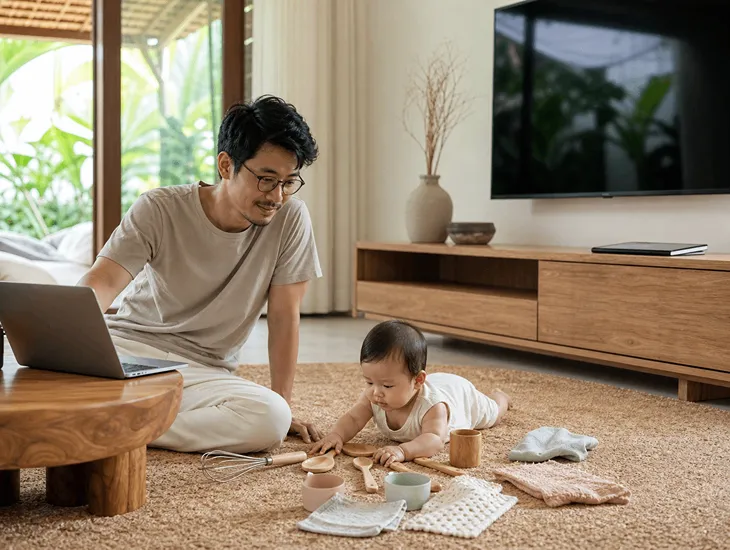
Kaito identified a deficit in early stimulation shortly after moving to Pererenan. His informally hired helper lacked an understanding of structured sensory play or basic developmental milestones. He required a trained professional to implement age-appropriate activities while he managed his remote work schedule.

He worried his infant was spending too much time passively watching screens instead of engaging in essential interactive floor play. Training the independent helper proved difficult because Kaito lacked the specialized pediatric knowledge necessary to design a daily curriculum for his child.

Kaito contacted our professional agency to secure a highly trained caregiver. We provided a babysitter who possessed verifiable experience in implementing structured early learning routines. She utilized safe household items to create engaging sensory experiences, which accelerated the child’s fine motor skill development.

Managing Safety and Health Risks

Executing early learning exercises safely requires extensive local knowledge. Caregivers must remain vigilant regarding common environmental hazards like slippery pool tiles, steep staircases, and wide balcony gaps. Tropical health risks demand specialized awareness and proactive management from the caregiver.

A trained professional actively monitors infants for subtle signs of dehydration or fever. They understand exactly when to seek immediate medical intervention. Active play must be carefully adapted to the demanding climate by prioritizing shaded areas during peak heat hours and enforcing consistent hydration routines.

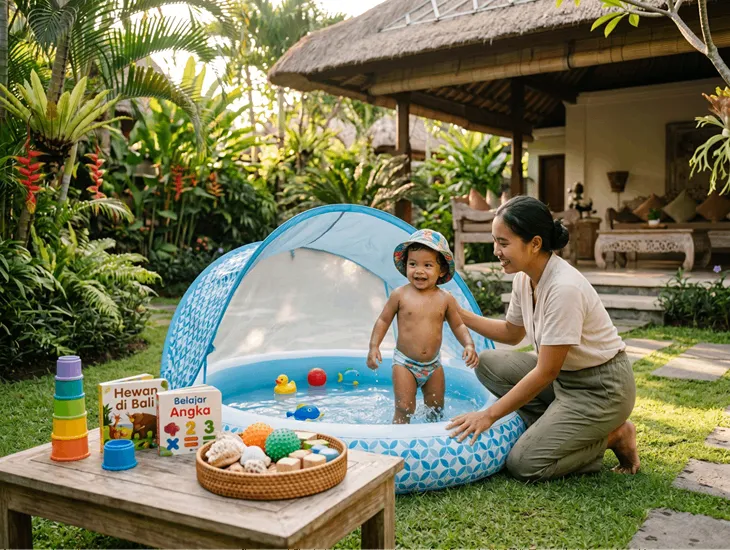
Reputable agencies enforce strict child-to-caregiver ratios to maintain safety. Limiting a babysitter to a maximum of two toddlers ensures that supervised sensory play remains secure. Swim-competent professionals integrate gentle water exposure safely, maintaining constant physical contact in shallow wading areas.

Vetting Standards for Development-Focused Care

Hiring a development-aware professional requires rigorous, specific screening protocols. Parents must demand documented evidence of extensive experience caring for infants and energetic toddlers. Caregivers must willingly embrace pediatric guidelines that strictly prohibit the use of digital screens for infant entertainment.

Current pediatric first aid and CPR certifications are mandatory. Professionals must also possess a keen awareness of specific tropical health issues, including the prevention of mosquito-borne illnesses. During interviews, focus heavily on their interactive communication style and their approach to following the baby’s subtle cues.

Agencies conduct thorough reference checks with previous expatriate families. This critical step verifies that the babysitter successfully implemented stimulating, safe daily routines that actively supported cognitive development. Selecting a fully vetted professional ensures your baby development activities in Bali are executed safely.

FAQs about Baby Development Activities in Bali​

Q: What are essential activities for an infant?

A: Daily tummy time, gentle singing, and supervised sensory play develop muscle strength and early language skills safely.

Q: How can a babysitter help with early learning?

A: Trained professionals integrate specific developmental exercises into daily routines, actively encouraging cognitive growth.

Q: Are formal playgroups necessary for toddlers?

A: While beneficial for socialization, a knowledgeable caregiver provides structured stimulation directly within your home.

Q: How do caregivers manage the tropical heat?

A: Professionals adapt active play by utilizing shaded areas, enforcing hydration, and scheduling outdoor activities early.

Q: What safety certifications should a babysitter hold?

A: All professional caregivers must possess current, verifiable pediatric first aid and CPR certifications.

Q: How do you verify a caregiver’s developmental experience?

A: Agencies conduct exhaustive reference checks with previous expatriate families to confirm their ability to implement routines.

Need a trained professional to manage Baby Development Activities in Bali? Chat with our team on WhatsApp now!